

Step into the future of creative interiors, where imagination meets innovation in every corner of your home. As we look ahead to 2026, this guide dives deep into the most bold and forward-thinking trends set to transform living spaces.
Discover how creative interiors will redefine comfort, style, and function. From biophilic design and adaptive layouts to smart technology and sustainable materials, we explore the ideas poised to shape tomorrow’s homes.
Gain practical tips, inspiration, and expert insight to refresh your space with cutting-edge solutions. Ready to embrace a personalized, functional, and visionary home? Let’s explore the trends and tools that will bring your 2026 dream interior to life.
The Evolution of Creative Interiors: 2026 Trends
The landscape of creative interiors is rapidly transforming as 2026 approaches. Designers and homeowners alike are embracing forward-thinking concepts that blend beauty, functionality, and innovation. These trends reflect a shift toward interiors that are both visually stunning and deeply attuned to the way we live, work, and relax. From nature-inspired sanctuaries to intelligent, tech-driven spaces, the evolution of creative interiors is setting a new standard for modern living.
The Rise of Biophilic Design and Nature-Inspired Spaces
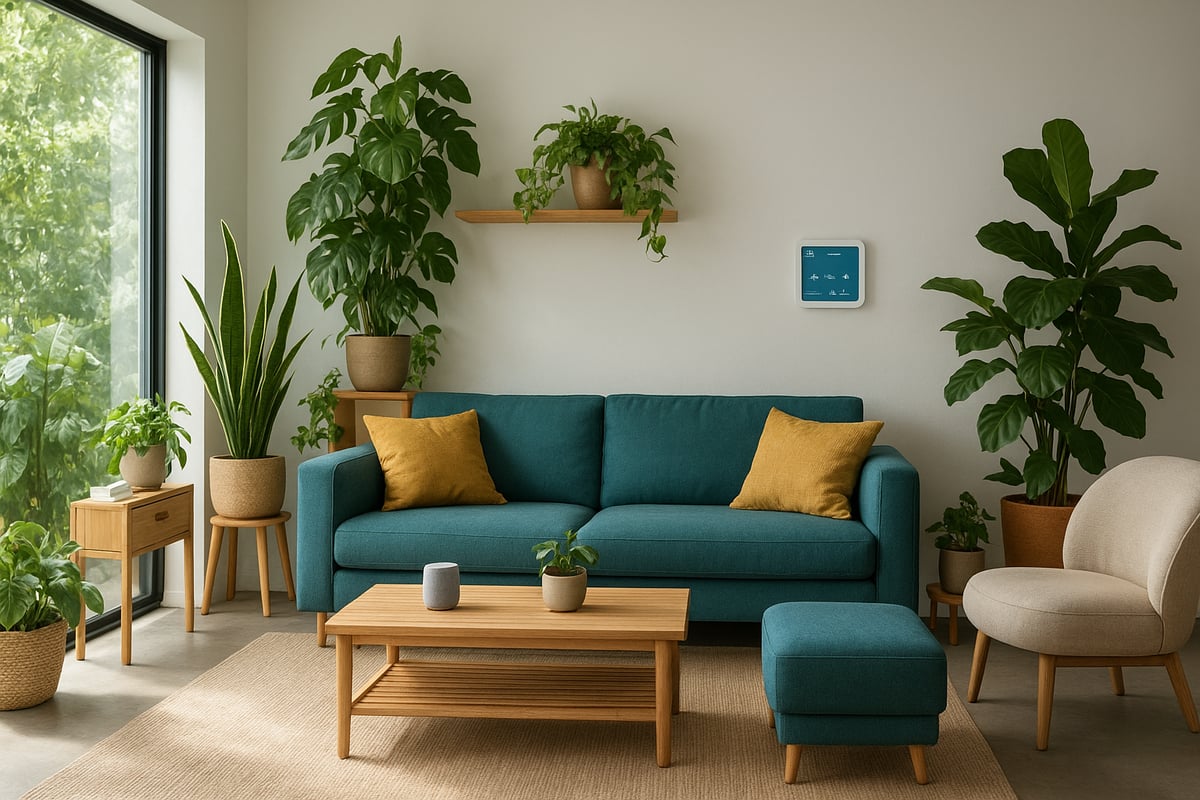
One of the most defining trends for creative interiors in 2026 is the integration of biophilic design. This approach brings the outdoors in by incorporating living walls, indoor gardens, and organic textures into residential spaces. Recent surveys reveal that 65% of designers now prioritize biophilia, citing its positive impact on air quality, wellness, and emotional well-being.
Urban apartments, for example, are adopting moss wall art and compact herb gardens to foster tranquility. For those interested in merging natural materials with contemporary style, organic modern interior design offers a wealth of inspiration. Nature-driven creative interiors not only support relaxation but also create a tangible connection to the environment.
Multifunctional and Adaptive Living Spaces
Multifunctionality is at the forefront of creative interiors as homeowners seek to maximize every inch of their living spaces. Flexible layouts, sliding partitions, and transformable furniture allow rooms to adapt throughout the day. This trend surged post-pandemic, with more people needing home offices and hybrid spaces.
A compact home might feature a Murphy bed that folds away to reveal a workspace, or modular storage that shifts as needs change. The adaptability found in creative interiors ensures that even small urban dwellings feel open and highly functional.
Bold Color Palettes and Statement Pieces
In 2026, creative interiors are moving beyond neutral tones and embracing vivid, energizing colors. Digital lavender, neo-mint, and rich terracotta are leading the way, as forecasted by the 2025 Pantone Color Report. Designers are using these hues to craft dynamic spaces that uplift mood and spark creativity.
Statement lighting and sculptural furniture serve as focal points, injecting personality into each room. Understanding color psychology is crucial when selecting these bold palettes, as the right shades can enhance both productivity and comfort in creative interiors.
Smart Technology Integration for Seamless Living
Smart technology is reshaping creative interiors by making daily life more convenient and personalized. Voice-activated lighting, AI-powered appliances, and automated climate control are becoming standard features in modern homes. For instance, smart mirrors in bathrooms now offer personalized settings, adapting to each user’s preferences.
With 73% of households projected to adopt smart home tech by 2026, these advancements are elevating the experience of creative interiors. Technology not only boosts efficiency but also enables homeowners to customize their environment with ease.
Sustainable and Eco-Friendly Materials
Sustainability is a core value in the evolution of creative interiors. Homeowners are turning to recycled metals, bamboo, cork, and reclaimed wood to reduce their environmental impact. Kitchens with recycled glass countertops and flooring made from renewable resources are increasingly popular.
According to the National Kitchen & Bath Association, 48% of homeowners now prioritize sustainable solutions during renovations. This commitment to eco-conscious design aligns creative interiors with broader climate goals, ensuring that style and responsibility go hand in hand.
Innovative Materials and Finishes for Modern Interiors
The landscape of creative interiors in 2026 is being redefined by pioneering materials and finishes. Designers are pushing boundaries to create spaces that are not only visually stunning but also functional, resilient, and tailored to individual lifestyles.
High-Performance Surfaces and Textiles
In 2026, high-performance surfaces are a cornerstone of creative interiors. Antimicrobial countertops, stain-resistant upholstery, and self-healing finishes are becoming mainstream. These materials are not just about aesthetics, they are engineered for durability and health.
Consider the rise of nanotechnology-infused kitchen counters. These surfaces actively resist bacteria and stains, making them ideal for busy households. Fabric innovations include textiles that repel spills and allergens, extending the life of furniture and rugs.
Table: High-Performance Material Features
| Material Type | Key Benefit | Common Use |
|---|---|---|
| Nanotech Countertops | Antimicrobial, durable | Kitchens, bathrooms |
| Stain-Resistant Fabrics | Easy maintenance | Sofas, armchairs |
| Self-Healing Finishes | Scratch repair | Cabinets, walls |
Embracing high-performance materials allows creative interiors to balance beauty with practicality, supporting healthier and more resilient homes.
3D-Printed Furnishings and Décor
The adoption of 3D printing is transforming creative interiors by enabling fully customized furniture and décor. Using sustainable resins and advanced printers, designers can produce one-of-a-kind pieces that fit any space perfectly.
From intricate wall art to ergonomic chairs, 3D-printed elements offer endless possibilities. A standout example is bespoke lighting fixtures, designed digitally to match a room’s dimensions and style. This approach minimizes waste and supports eco-friendly practices.
With the 3D-printed décor market growing at 18% annually, creative interiors now feature shapes and textures previously impossible with traditional manufacturing. This shift empowers homeowners to express individuality while embracing innovation.
Mixed Media: Combining Contrast and Texture
One of the hallmarks of creative interiors for 2026 is the bold use of mixed media. Designers are blending metals, woods, glass, and textiles in a single room to create layered, visually engaging environments.
Picture a kitchen where matte black hardware contrasts with warm oak cabinetry, or a living room that combines velvet sofas with glass-topped tables and metal accents. This fusion of textures and materials adds depth and a sense of curated luxury.
List: Mixed Media Combinations
- Brass fixtures with marble countertops
- Textured ceramics alongside smooth glass
- Natural wood paired with polished metal
By thoughtfully mixing materials, creative interiors achieve a dynamic look that stimulates the senses and invites exploration.
Futuristic Finishes: Iridescent, Metallic, and Matte
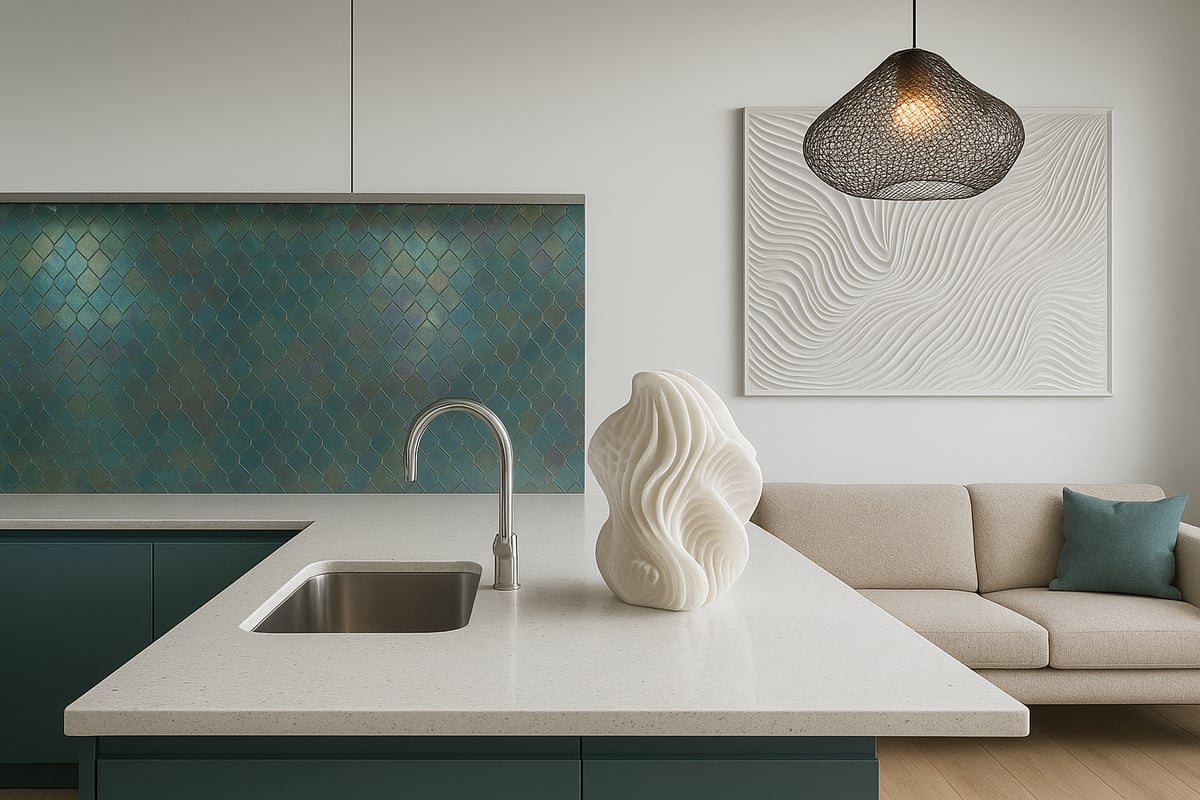
Futuristic finishes are making a significant impact on creative interiors. Pearlescent paints, brushed metals, and tactile matte surfaces are now highly sought after. These finishes reflect light in unique ways and add a modern touch to any space.
Bathrooms featuring iridescent tile mosaics are especially popular, creating a sense of movement and luxury. Metallic accents on cabinetry or lighting fixtures introduce a contemporary edge, while matte finishes provide a soft, inviting texture.
Design professionals note that futuristic finishes are increasingly favored for their ability to balance innovation and elegance. For a deeper dive into trending materials and finishes, explore the Fixr 2026 Interior Design and Color Trends report, which highlights expert insights on what is shaping next-generation interiors.
Customization and Artisanal Craftsmanship
A defining trend in creative interiors is the move toward customization and artisanal craftsmanship. Homeowners are seeking out handmade tiles, bespoke cabinetry, and artisan lighting to create spaces that reflect their unique tastes.
Data shows that 54% of luxury homeowners now prioritize unique, custom-made features. Whether it’s a hand-glazed backsplash or a one-of-a-kind chandelier, these details bring authenticity and personality to interiors.
Customization ensures that every corner of a home tells a story. By investing in artisan-made elements, creative interiors stand apart and offer an elevated sense of comfort and individuality.
Technology Meets Design: Smart Homes of the Future
Technology is revolutionizing creative interiors, making homes smarter, more intuitive, and highly personalized for 2026. Innovative solutions are blending seamlessly with design, transforming how we interact with our living spaces. As we look ahead, these advancements are setting new standards for comfort, efficiency, and style in creative interiors.
AI-Driven Personalization and Automation
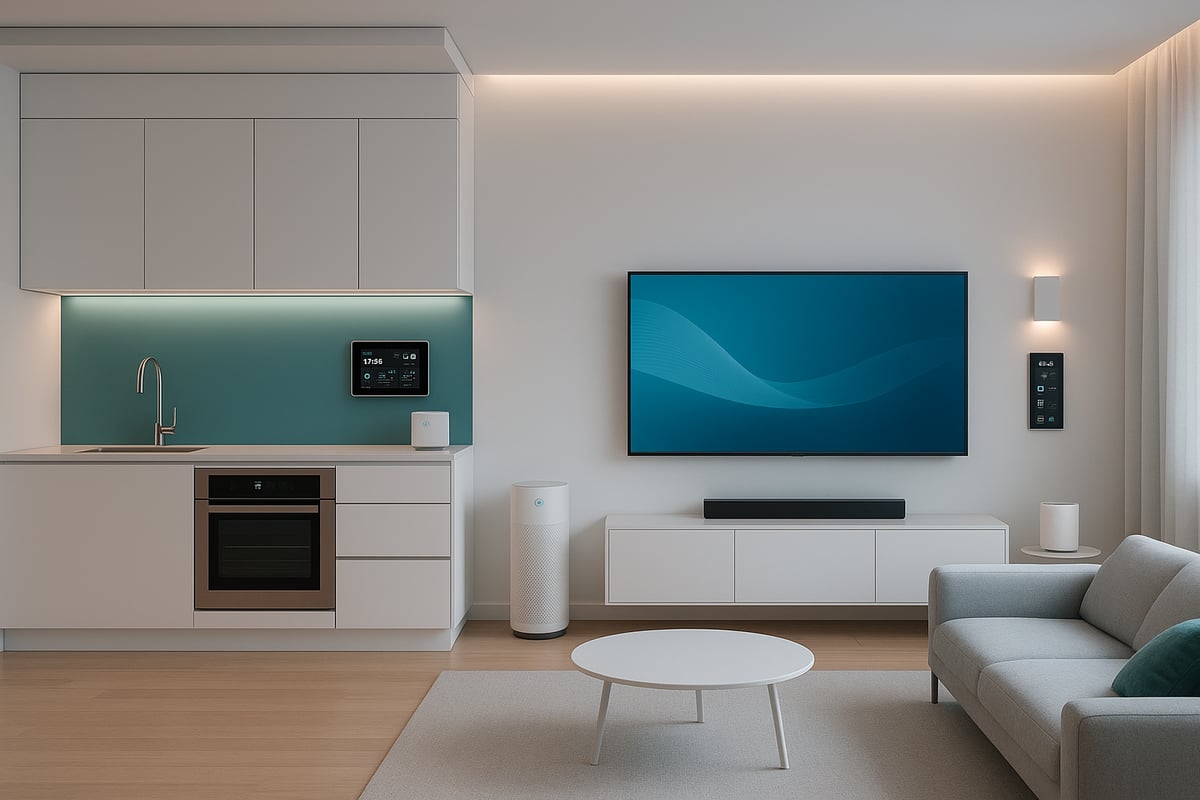
AI is at the heart of creative interiors, learning your habits and preferences to customize every detail. Imagine a kitchen that suggests dinner ideas based on your schedule, or a living room that adjusts lighting and temperature automatically. According to the 1stDibs 2026 Designer Trends Survey, AI integration is becoming a must-have in forward-thinking homes.
- AI-powered appliances streamline daily routines.
- Personalized climate, lighting, and entertainment settings.
- Automated grocery lists and reminders for convenience.
With AI, creative interiors deliver unparalleled comfort and efficiency.
Augmented Reality (AR) and Virtual Reality (VR) in Interior Planning
AR and VR tools are changing the way homeowners plan creative interiors. These technologies allow you to visualize layouts, materials, and finishes before making any commitment. Virtual walkthroughs help minimize costly mistakes and deliver higher satisfaction with the final result.
- Preview furniture placement in real time.
- Test color palettes and textures virtually.
- Make informed decisions with confidence.
For creative interiors, AR and VR provide clarity and precision to design choices.
Integrated Wellness Systems
Smart wellness systems are now central to creative interiors, supporting physical and mental well-being. Features like air purification, circadian lighting, and noise reduction are seamlessly woven into home environments. Bedrooms with adaptive lighting foster restful sleep, while integrated air quality sensors ensure a healthier space.
- Air and water purification systems.
- Lighting that syncs with natural rhythms.
- Noise-canceling technology for tranquility.
These enhancements make creative interiors not only beautiful but supportive of holistic health.
Voice and Gesture Control Interfaces
Hands-free technology is elevating creative interiors to new levels of accessibility and hygiene. Voice and gesture controls enable effortless operation of appliances, lighting, and entertainment systems. In kitchens, gesture-controlled faucets and voice-activated assistants make multitasking simpler and more sanitary.
- Voice commands for smart devices.
- Touchless faucets and switches.
- Streamlined entertainment and climate control.
Creative interiors benefit from these intuitive interfaces, making daily life easier for everyone.
Security and Sustainability in Smart Design
Security and sustainability are priorities in the latest creative interiors. Energy monitoring, leak detection, and smart security systems help protect both the home and the planet. Solar-powered sensors and automated water shut-off valves offer peace of mind while reducing environmental impact.
- Energy-efficient monitoring systems.
- Automated safety features.
- Integration of solar and renewable tech.
Smart design ensures creative interiors are as safe and eco-friendly as they are innovative.
Sustainability and Eco-Conscious Living Solutions
Refreshing your home with creative interiors in 2026 means making sustainability a core design principle. Homeowners are increasingly drawn to eco-conscious solutions that blend style, efficiency, and responsibility. Below, explore practical methods for crafting interiors that are not only beautiful but also kind to the planet.
Energy-Efficient Lighting and Appliances
Energy-efficient lighting and appliances are at the heart of creative interiors that champion sustainability. LED technology now dominates modern spaces, offering long lifespans and significant energy savings. Smart thermostats and ENERGY STAR-rated appliances further help cut utility costs by up to 25%, according to the Department of Energy.
- LED bulbs use up to 80% less energy than traditional bulbs.
- Induction cooktops heat faster and waste less energy.
- Motion-sensor lighting ensures lights are only on when needed.
These upgrades not only support eco-friendly living but also provide a sleek, contemporary feel that aligns with the vision for creative interiors in 2026.
Water Conservation Innovations
Water scarcity is influencing creative interiors, driving demand for innovative conservation solutions. Low-flow fixtures, dual-flush toilets, and digital shower controls are now standard in eco-conscious bathrooms and kitchens. Smart irrigation systems take the guesswork out of landscape watering, using sensors to adjust schedules based on weather and soil moisture.
Consider these features:
- Dual-flush toilets reduce water use by up to 67% per flush.
- Digital controls let users set precise shower temperatures and durations.
- Greywater recycling systems repurpose water for plant irrigation.
Incorporating these elements into creative interiors supports both sustainability and daily convenience.
Upcycling and Repurposed Elements
Upcycling brings character and creativity to eco-friendly homes. By incorporating salvaged wood, vintage hardware, or repurposed décor, creative interiors gain a unique story and reduce environmental impact. Remodeling Magazine reports that 37% of remodelers now use upcycled materials regularly.
Examples include:
- Coffee tables crafted from reclaimed doors.
- Shelving made from repurposed industrial pipes.
- Accent walls featuring salvaged barn wood.
These choices not only minimize waste but also infuse creative interiors with warmth and individuality.
Passive Design and Natural Ventilation
Passive design is a foundational element in creative interiors, using architectural strategies to optimize comfort and energy efficiency. Strategic window placement, building orientation, and thermal mass materials help control temperature naturally.
Key passive design features:
| Feature | Benefit |
|---|---|
| Cross-ventilation | Enhances airflow |
| Sun-shading | Reduces summer heat gain |
| Thermal mass | Maintains stable temps |
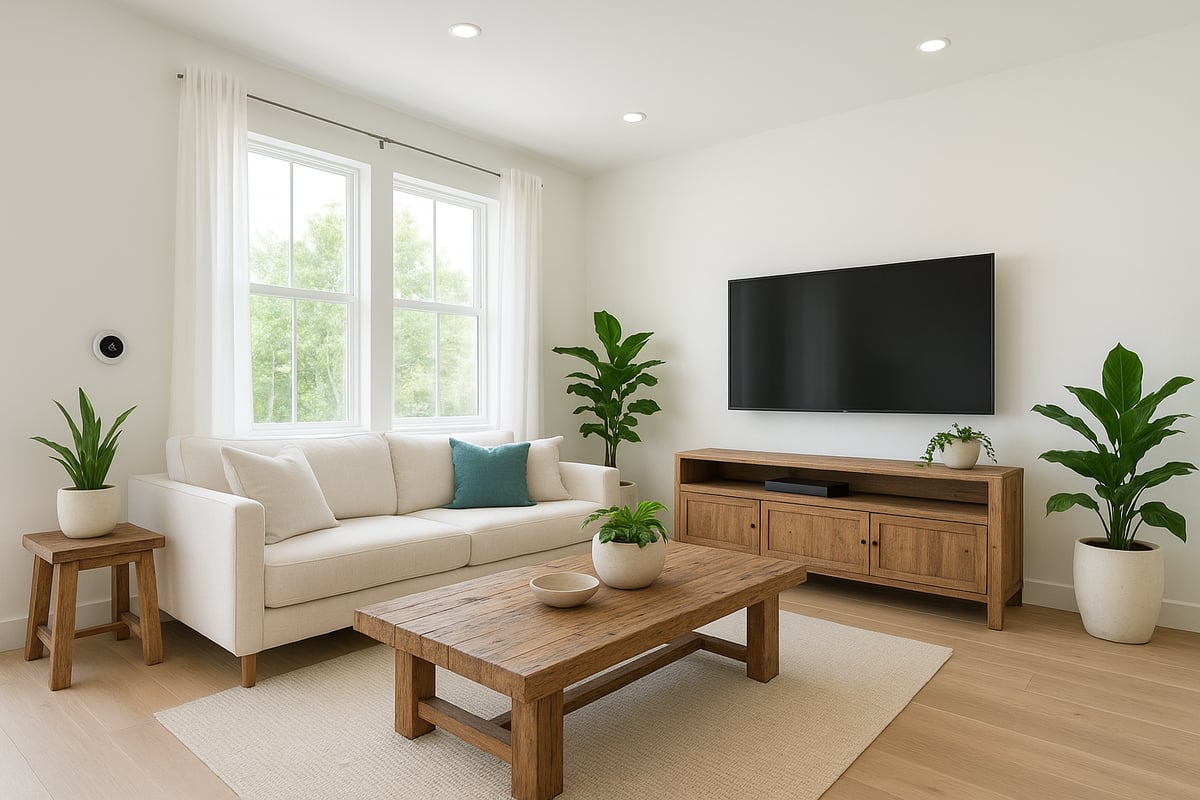
Living rooms with large operable windows and sun-shading devices exemplify how creative interiors can lower reliance on mechanical systems while boosting comfort year-round.
Green Certifications and Eco-Labels
Green certifications offer assurance that your creative interiors meet high standards for sustainability and quality. Programs like LEED and WELL guide choices in materials, energy use, and indoor air quality. Eco-certified flooring, low-VOC paints, and FSC-certified wood are increasingly popular in high-traffic areas.
According to the Forbes 2026 Interior Design Trends, homeowners are prioritizing certifications and eco-labels as part of their renovation goals.
By seeking certified products, you ensure your creative interiors are both future-ready and environmentally responsible.
Personalization and Human-Centered Design in Interiors
Personalization is at the heart of creative interiors for 2026. Homeowners are seeking ways to make living spaces more meaningful, inclusive, and emotionally supportive. By focusing on human-centered design, you can create interiors that reflect individuality, foster well-being, and tell a unique story.
The Shift Toward Individual Expression
Creative interiors in 2026 celebrate individuality. Gone are the days of generic, one-size-fits-all spaces. Now, homeowners are embracing accent walls with custom murals, gallery-style art displays, and bespoke décor that mirror their personalities.
This approach not only enhances visual interest but also deepens the emotional connection to home. Consider integrating pieces that reflect your travels or passions, or explore maximalist interior design tips for bolder, more expressive arrangements.
Personalized creative interiors offer a sense of ownership and pride, turning each room into a canvas for self-expression.
Multi-Generational and Inclusive Design
Creative interiors are evolving to meet the needs of multi-generational households. Universal design principles, such as open layouts and adjustable counters, ensure spaces are accessible for all ages and abilities.
With 28 percent of households now multi-generational, flexibility is crucial. Features like wider doorways, no-step entries, and adaptable kitchen islands boost both safety and comfort.
By integrating inclusive elements, creative interiors become welcoming and functional for everyone, supporting a sense of belonging and independence.
Sensory and Emotional Design Elements
The next wave of creative interiors focuses on engaging the senses. Designers are using scent diffusers, textured fabrics, and calming color palettes to create spaces that nurture well-being.
For bedrooms, sound-absorbing panels and aromatherapy diffusers help reduce stress and promote relaxation. In living areas, tactile surfaces like soft rugs or natural wood invite touch and comfort.
By addressing sight, sound, scent, and touch, creative interiors support emotional health, making daily life more enjoyable and restorative.
Storytelling Through Décor and Art
Storytelling is a defining feature of creative interiors in 2026. Homeowners are curating gallery walls with family photos, displaying travel mementos, and commissioning custom artwork to tell their personal stories.
This approach transforms décor into conversation pieces and fosters a deeper connection to the space. Local artists and handmade pieces add authenticity and uniqueness.
Incorporating storytelling into creative interiors ensures every home feels distinct and full of character, reflecting the lives and experiences of those who live there.
Expert Tips for Implementing 2026’s Creative Interior Ideas
Refreshing your home with creative interiors in 2026 starts with a thoughtful, step-by-step approach. Whether you crave bold changes or subtle enhancements, following expert guidance ensures your vision becomes a reality. Here’s how to bring the latest trends into your space with confidence.
Step 1: Assess Your Space and Set Clear Goals
Begin by evaluating your current layout, lighting, and how each area is used. An honest assessment helps identify what works and what needs improvement. Are certain rooms underutilized or overcrowded? Does the lighting suit your daily activities?
Create a list of priorities. For example, do you need more flexible work zones, improved storage, or a better flow between rooms? Setting clear goals is essential for anyone aiming to achieve creative interiors that reflect both style and function. This foundation guides every decision and keeps your project focused.
Step 2: Research and Curate Inspiration
Gathering inspiration is a crucial step in designing creative interiors. Explore design platforms, attend virtual tours, and visit showrooms to see emerging trends firsthand. Use Pinterest boards or digital scrapbooks to organize your favorite ideas, from color palettes to furniture styles.
Pay attention to how bold colors, smart technology, and sustainable materials are used in real projects. By curating inspiration thoughtfully, you’ll clarify your preferences and spark new ideas, making it easier to communicate your vision later in the process.
Step 3: Plan for Functionality and Flexibility
Prioritizing adaptable layouts and multipurpose solutions is key for creative interiors that stand the test of time. Consider modular shelving, convertible desks, or movable partitions to accommodate evolving needs. This approach is especially valuable for compact or multi-use spaces.
Think about how each room can serve more than one purpose, like integrating a guest bed into a home office or creating hidden storage in living areas. Flexible planning not only maximizes utility but also ensures your design stays relevant as your lifestyle changes.
Step 4: Collaborate with Professionals and Utilize Technology
Working with experienced designers, architects, or tech consultants can elevate your creative interiors project. Professionals bring expertise in layout, materials, and the latest innovations, helping you avoid costly mistakes. Digital tools, such as 3D modeling software, allow you to visualize changes and test ideas before committing.
For tailored, actionable advice, consider exploring interior design advice at your service, which connects you to industry experts. Leveraging technology and professional input ensures that your creative interiors reflect both your personality and the best practices of 2026.
As you look ahead to transforming your space with the innovative trends and personalized touches shaping 2026, remember that creating a home you love is all about combining vision with expertise. Whether you’re inspired by biophilic design, smart technology, or the art of customization, you don’t have to navigate these choices alone. At Emily’s Interiors, we bring your unique ideas to life with meticulous design, advanced 3D planning, and a commitment to service you can trust. If you’re ready to take the next step toward a truly creative interior, Great Design Starts with Emily’s.