

Imagine walking into a space where every corner reflects your style, and each room flows effortlessly into the next. That is the promise of full house interior design—a harmonious blend of trendsetting ideas and classic comfort tailored to you.
This 2025 style blueprint will help you transform your entire home, combining practicality, beauty, and personal expression. Inside, you will discover the year’s top design trends, step-by-step planning, and expert strategies for every room.
Ready to create a space that is both cohesive and uniquely yours? Use this guide to unlock the full potential of your home.
2025 Interior Design Trends: What’s Defining Full House Style
Imagine a new era where every detail in your home merges comfort with cutting-edge style. The full house interior design landscape for 2025 is shaped by nature, technology, and a celebration of individuality. Here are the defining trends that will help you transform every space with confidence.
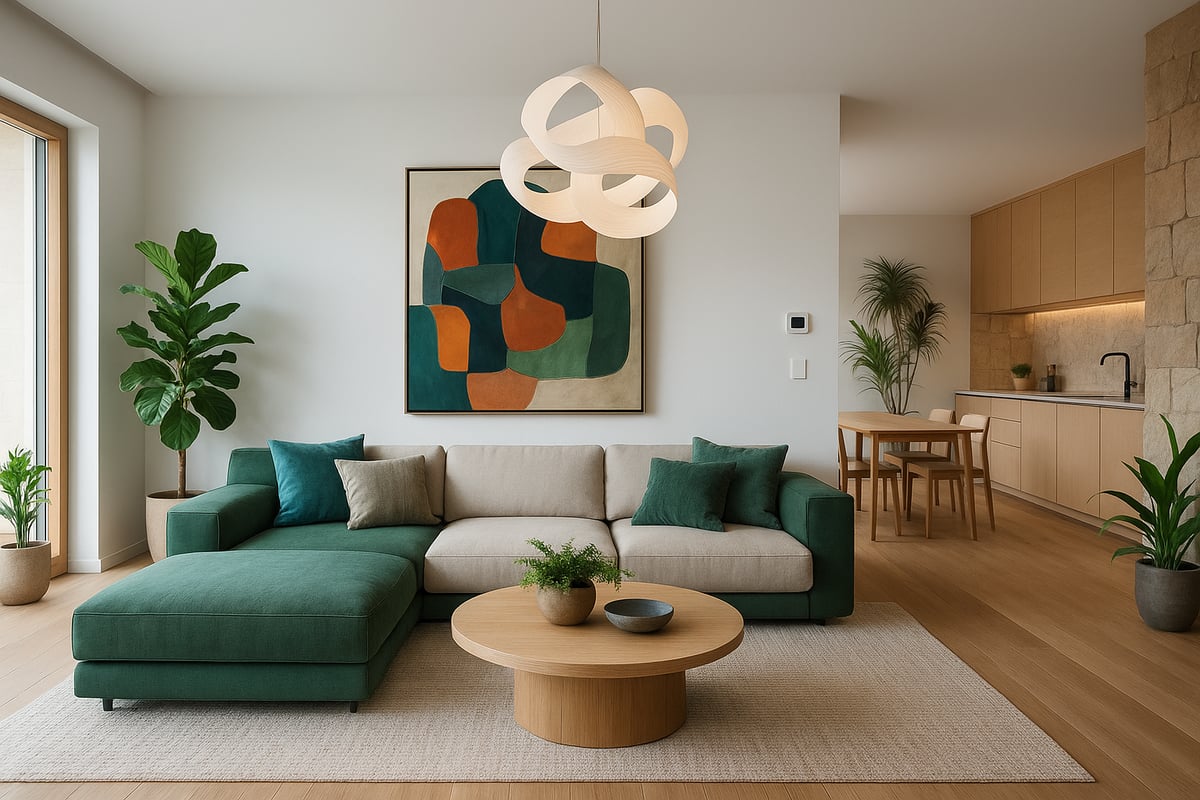
The Rise of Biophilic Design and Nature-Inspired Elements
Bringing the outdoors in is at the heart of full house interior design this year. Designers are using materials like wood, stone, and organic textiles to create calming, natural environments. Indoor plants and green walls are now more than decorative—they are essential for wellness and air quality.
According to Houzz, 60% of designers reported a surge in clients seeking biophilic features. Imagine a living room where sunlight streams in, filtered by lush greenery, or a bathroom clad in natural stone. These elements connect your home to nature, making every room feel vibrant and alive.
Sustainable and Eco-Conscious Choices
Sustainability is no longer optional in full house interior design. Homeowners are choosing eco-friendly furniture, recycled materials, and energy-efficient appliances for every room. Popular certifications include FSC for responsibly sourced wood and Greenguard for low-emission products.
The National Kitchen & Bath Association states that 70% of homeowners now prioritize green solutions during renovations. For an in-depth look at how sustainability and technology are shaping the industry, explore the 2025 Interior Design Market Trends report. These choices not only help the environment but add lasting value to your home.
Multifunctional Spaces and Flexible Layouts
Modern lifestyles demand spaces that adapt. Full house interior design in 2025 is about flexibility—think open concept living, convertible rooms, and modular furniture. Home offices easily transform into guest rooms thanks to Murphy beds or foldable desks.
Families now expect rooms to serve multiple roles, from work to relaxation. Modular sofas and mobile partitions make it easy to reconfigure spaces as your needs change. This approach makes every square foot of your home work harder and smarter.
Smart Home Integration and Tech-Forward Design
Technology is more seamless than ever in full house interior design. Voice-activated lighting, smart thermostats, and automated window treatments are now standard features. These innovations blend with the decor, ensuring style stays front and center.
Statista reports a 30% year-over-year increase in smart home device adoption. Imagine adjusting your lighting or climate with a simple voice command. The result is a home that feels both futuristic and welcoming, with technology enhancing daily living.
Statement Lighting and Bold Fixtures
Lighting is no longer just functional—it is a design statement. Full house interior design now features sculptural pendants, layered lighting schemes, and color-changing LEDs. These elements do more than illuminate; they create mood and highlight architectural features.
A dramatic pendant over the dining table or bold sconces in the hallway can become instant focal points. Layered lighting, mixing ambient and accent sources, adds depth and flexibility to every space. Use lighting to express your personality and elevate your home’s atmosphere.
Maximalist Accents and Personalized Touches
2025 celebrates individuality through full house interior design. Maximalism is on the rise, encouraging the mix of vibrant patterns, rich textures, and curated collections. Gallery walls, custom art, and bold textiles turn rooms into personal showcases.
Layering different materials and colors adds energy and interest. For expert advice on using maximalist elements, check out Maximalist Interior Design Tips. Personalization ensures your home is truly one of a kind.
Color Palettes and Material Trends for 2025
Color and material choices define the mood of your home. Trending hues include earthy greens, deep blues, and warm neutrals, offering both calm and sophistication. Popular materials such as terrazzo, rattan, and brushed metals bring texture and visual interest.
| Trend Color | Key Material |
|---|---|
| Earthy Green | Terrazzo |
| Deep Blue | Rattan |
| Warm Neutral | Brushed Metal |
Full house interior design thrives on the balance of these colors and materials, creating a harmonious flow from room to room. The result is a home that feels contemporary, comfortable, and effortlessly stylish.
Step-by-Step Planning: Building Your Full House Design Blueprint
Transforming your home starts with a clear, actionable plan. Whether you are updating a single room or pursuing a full house interior design, breaking the process into manageable steps is essential. Each phase helps you create a space that is beautiful, functional, and uniquely yours.
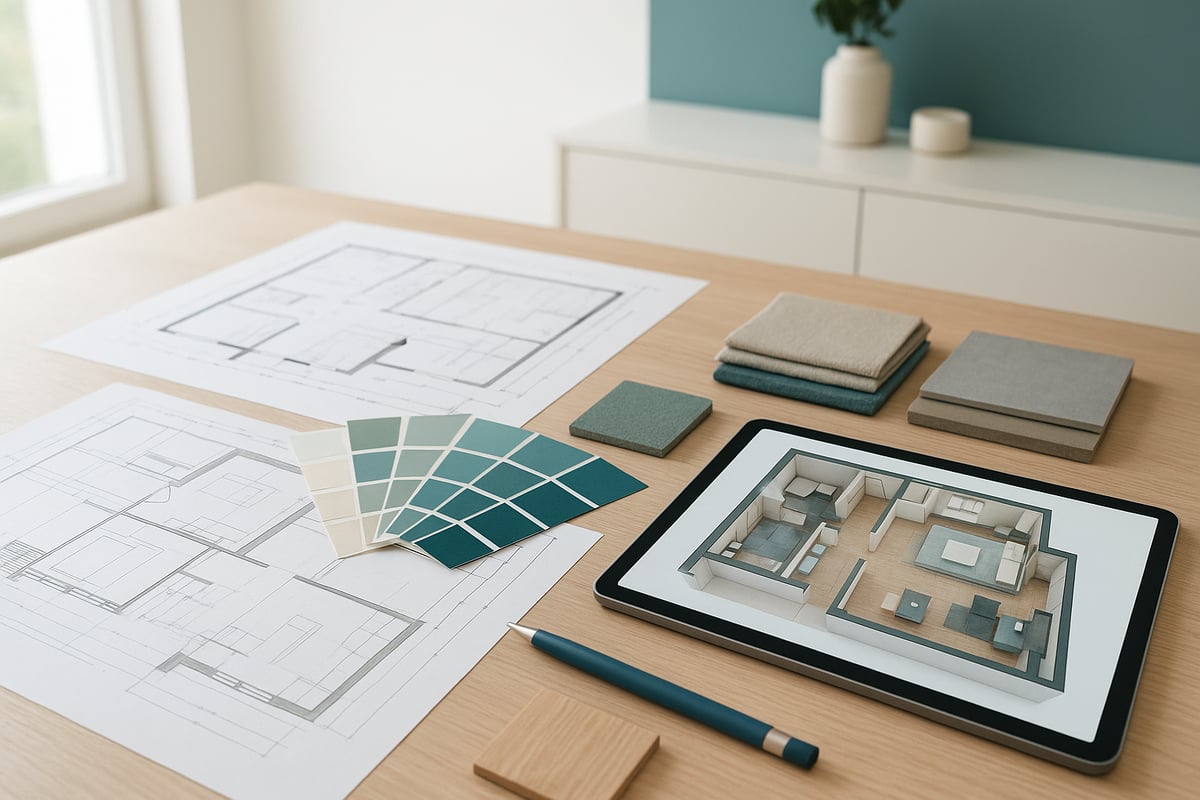
Assessing Your Space and Setting Goals
Begin your full house interior design journey by carefully evaluating your home’s current layout and features. Walk through each room, noting square footage, natural light, and how people move through the space. Identify areas that feel cramped, underused, or disconnected.
Write down your must-have features and any pain points, such as a lack of storage or outdated finishes. Use 3D modeling tools or apps to visualize potential changes and see how new layouts might improve functionality. A thorough assessment lays the groundwork for a successful design plan that reflects your lifestyle.
Budgeting and Prioritizing Projects
A well-planned budget is the backbone of any full house interior design project. Start by estimating the costs for renovations, furnishings, and decor. Research average prices for materials and labor in your area.
Create a table to prioritize spending by room and need:
| Area | Priority | Estimated Cost | Notes |
|---|---|---|---|
| Kitchen | High | $40,000 | Major remodel |
| Living Room | Medium | $15,000 | New furniture |
| Bedrooms | Medium | $20,000 | Paint, storage |
| Bathrooms | High | $25,000 | Fixtures, tiling |
Factor in a contingency fund for unexpected expenses. By allocating your budget strategically, you ensure every dollar supports your overall vision.
Defining Your Personal Style and Inspiration Sources
A cohesive full house interior design is rooted in personal expression. Explore different styles—modern, transitional, rustic, or eclectic—by browsing magazines, online galleries, and social media. Create mood boards or Pinterest collections to gather color palettes, furniture ideas, and decor inspiration.
If you are unsure where to start, the Identifying Your Interior Design Style guide offers practical steps to help clarify your preferences. Defining your style early ensures your design choices remain consistent and meaningful throughout your home.
Mapping Out a Cohesive Floor Plan
A well-designed floor plan is the foundation of a successful full house interior design. Decide whether open or closed layouts work best for your lifestyle. Map the flow between spaces, considering how you move from the kitchen to the dining area or from the living room to bedrooms.
Use zoning to separate areas for work, relaxation, and entertaining. Sketch out furniture arrangements or use digital tools to experiment with different layouts. Keep circulation paths clear and ensure each room feels connected yet distinct.
Timeline and Project Management Strategies
Managing a full house interior design project requires careful scheduling. Break the process into phases, such as demolition, construction, installation, and finishing touches. Assign realistic deadlines to each stage.
Consider using project management apps or Gantt charts to track progress and coordinate with contractors, designers, and suppliers. Regular check-ins help you address issues early and keep your project on schedule. Staying organized reduces stress and ensures a smooth renovation experience.
Navigating Permits, Codes, and Professional Help
Before starting major work, research local building codes and permit requirements. Many full house interior design projects involve structural changes, electrical updates, or plumbing work that require approval from local authorities.
Decide when to hire professionals, such as architects, interior designers, or licensed contractors. Their expertise ensures your project meets safety standards and stays within legal guidelines. Clear communication with your team helps avoid costly mistakes and streamlines the entire design process.
Room-by-Room Design Strategies for a Unified Home
Creating a unified home is about more than matching colors or styles. It is about making sure every room feels distinct yet seamlessly connected, with full house interior design at the core. By approaching each space with intention, you ensure flow, comfort, and style throughout your home.
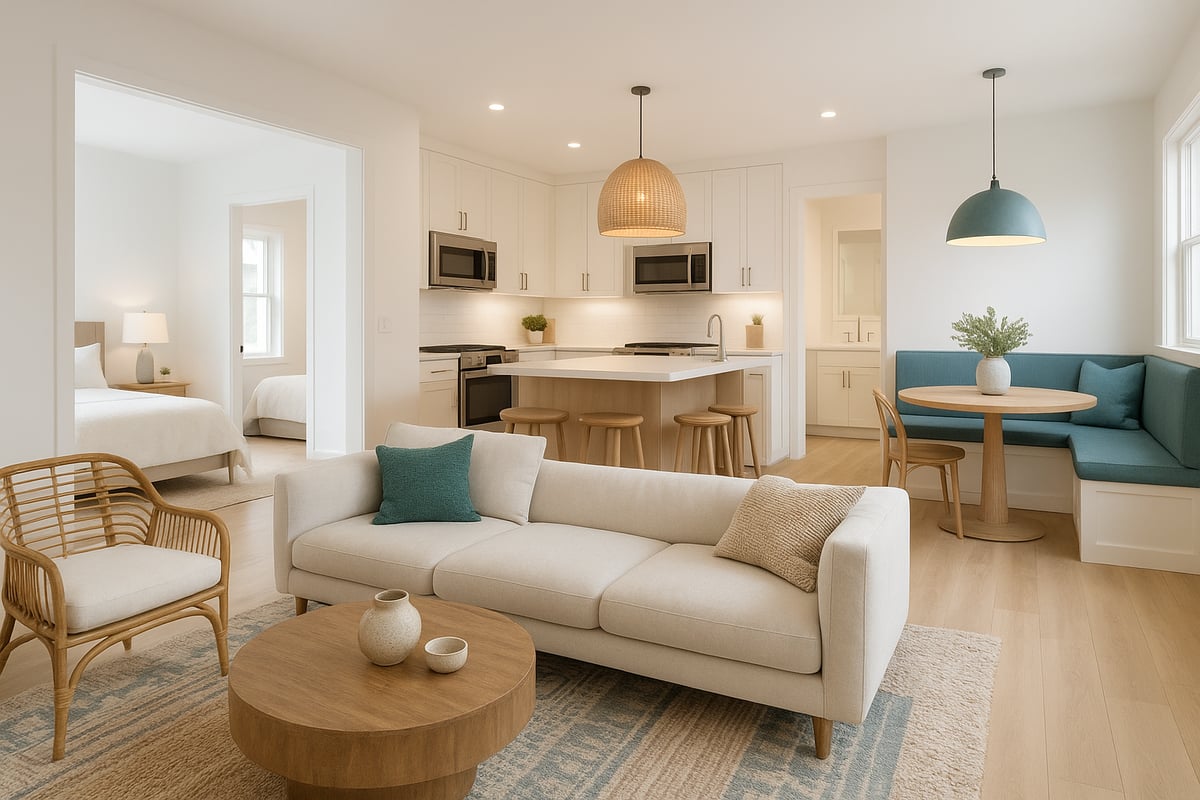
Living Room: The Heart of the Home
The living room is where family and guests gather, making it crucial for full house interior design unity. Start by establishing conversation zones with flexible seating like sectionals or modular sofas. Layering rugs, throws, and pillows brings warmth and visual interest.
Focus on a central feature, such as a fireplace, a media wall, or bold artwork. Use a mix of textures, from soft linens to cozy wools, to invite relaxation. For visual flow, choose a color palette that echoes throughout adjacent spaces.
- Flexible seating for gatherings
- Layered textiles for comfort
- Focal points for interest
Lighting is key. Combine floor lamps, sconces, and overhead fixtures for depth and ambiance. A well-designed living room sets the tone for your entire full house interior design vision.
Kitchen: Function Meets Style
In 2025, kitchens are both functional hubs and design statements in full house interior design. Open shelving, mixed materials, and smart appliances define the modern kitchen. Central islands remain popular, providing prep space and casual dining.
When planning your kitchen, consider how materials and finishes coordinate with the rest of your home. For expert tips on harmonizing surfaces, see this guide on how to match countertops to cabinets, which ensures a cohesive look.
Popular layouts include galley, L-shaped, and island-centric designs. Integrate statement lighting above islands or dining areas, and use backsplash tiles or hardware to add personality.
- Central island for functionality
- Open shelving for display
- Coordinated finishes for cohesion
A well-planned kitchen supports both daily routines and special occasions, anchoring your full house interior design.
Dining Area: Entertaining and Everyday Use
The dining area bridges the living room and kitchen, playing a pivotal role in full house interior design. Choose a table that adapts to both family meals and larger gatherings. Extendable tables or round shapes maximize space.
Banquette seating is ideal for small spaces, offering comfort and hidden storage. Layer lighting to switch between soft ambiance for dinners and brighter task lighting for homework or projects.
- Versatile tables for flexibility
- Banquette seating with storage
- Layered lighting for function
Select chairs and decor that echo colors or materials from nearby rooms. This connection enhances the sense of unity in your full house interior design.
Bedrooms: Personal Retreats
Bedrooms should feel restful yet reflect your style within the full house interior design scheme. Start with a calming color palette—think soft blues, greens, or neutrals. Layer bedding with various textures for depth and comfort.
Maximize storage using built-ins, under-bed drawers, or wall-mounted shelves. Blackout drapes promote restful sleep and add a touch of luxury. Incorporate personal touches like artwork or curated accessories.
- Calming color schemes
- Layered bedding for comfort
- Smart storage solutions
By aligning bedroom finishes and colors with the rest of your home, you strengthen the overall full house interior design narrative.
Bathrooms: Spa-Like Comfort
Bathrooms are evolving into spa-inspired sanctuaries in full house interior design. Walk-in showers, freestanding tubs, and heated floors create a sense of retreat. Opt for natural stone, terrazzo, or brushed metals for a timeless look.
Upgrade to smart mirrors and touchless fixtures for modern convenience. Use layered lighting—task lights for grooming, accent lights for relaxation.
- Walk-in showers and tubs for luxury
- Smart fixtures for convenience
- Durable, stylish materials
Add greenery or wooden accents to connect with biophilic trends, ensuring your bathroom aligns with the home’s full house interior design flow.
Home Office and Flex Spaces
With remote work on the rise, dedicated home offices or flexible rooms are essential in full house interior design. Prioritize ergonomic furniture and acoustic solutions to boost productivity.
Consider convertible spaces, such as a guest room doubling as an office or a gym/playroom. Use modular desks, Murphy beds, or foldable partitions for adaptability.
- Ergonomic chairs and desks
- Acoustic panels for quiet
- Dual-use furniture for flexibility
Smart tech, like integrated charging stations or app-controlled lighting, enhances functionality. Consistent design elements ensure these spaces complement your full house interior design.
Hallways and Transitional Spaces
Often overlooked, hallways are vital for maintaining continuity in full house interior design. Use art displays or gallery walls to add personality without clutter. Statement runners or bold paint colors guide movement and connect rooms.
Clever storage, such as built-in benches or wall hooks, keeps pathways clear. Mirrors reflect light, making narrow spaces feel more open.
- Art displays for visual interest
- Statement runners for cohesion
- Smart storage for organization
By thoughtfully designing these transitional areas, you reinforce the sense of unity that defines exceptional full house interior design.
Color, Materials, and Texture: Creating Visual Harmony
Achieving visual harmony is the foundation of full house interior design. By thoughtfully combining color, materials, and texture, you can create a seamless, inviting atmosphere that feels both cohesive and personal. Each design decision should support the overall flow, making every room feel like part of a unified story.
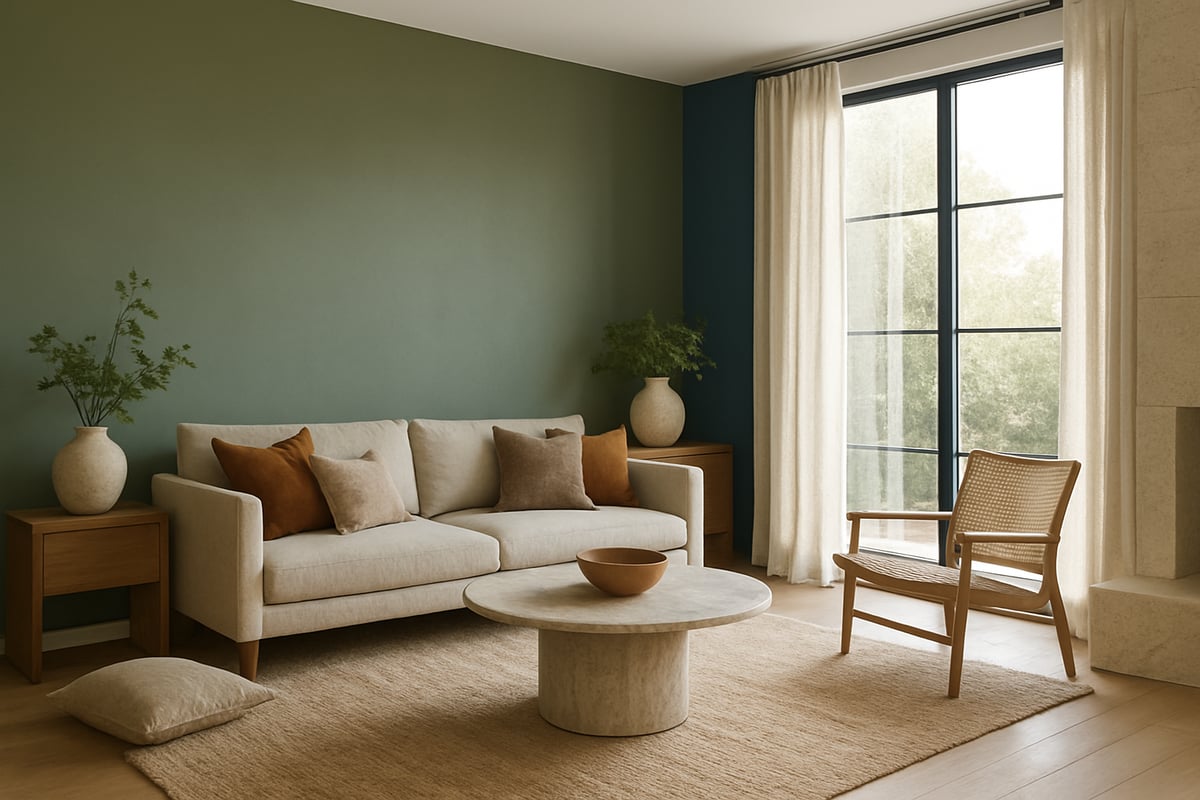
Choosing a Cohesive Color Palette
Color is the first impression in any full house interior design project. To achieve a cohesive look, start by selecting a base palette that flows effortlessly from room to room. Use neutral backgrounds as a canvas, then introduce bolder hues through accent walls or statement furniture.
Consider the 60-30-10 rule: 60% dominant color, 30% secondary, and 10% accent. This approach supports visual balance and prevents overwhelming the senses. For example, pair soft beige walls with deep blue accents and touches of earthy green for a modern, grounded effect.
Accent walls can highlight architectural features without disrupting the harmony of your full house interior design. Try color drenching in smaller spaces, where one shade covers walls and trim for a dramatic, enveloping feel.
Trending Materials for 2025
Material selection is pivotal in shaping the character of full house interior design. Natural stone, terrazzo, and sustainable woods are at the forefront of 2025 trends, offering both visual richness and eco-friendly benefits.
| Material | Look & Feel | Sustainability |
|---|---|---|
| Natural Stone | Elegant, timeless | Long-lasting |
| Terrazzo | Playful, textured | Recycled content |
| Sustainable Wood | Warm, organic | FSC certified |
Mixing matte and glossy finishes adds depth and interest. For more insights on current color and material preferences, review the Interior Design and Color Trends Report 2025, which highlights how these choices can elevate your full house interior design.
Layering Textures for Interest
Texture is the secret weapon in full house interior design. By combining different textiles like velvet, linen, and wool, you create tactile variety and visual warmth. Rugs anchor seating areas, while curtains soften light and add privacy.
Consider layering throw pillows in varying fabrics and patterns on sofas or beds. This not only boosts comfort but also injects personality into each room. In open-concept layouts, subtle shifts in texture help define zones without breaking the overall flow.
Texture layering is especially effective in bedrooms and living rooms, where comfort and style must coexist. Each surface should invite touch and contribute to the holistic feel of your full house interior design.
Balancing Pattern and Scale
Patterns can energize a space, but balance is key in full house interior design. Use wallpaper, tile, and patterned fabrics to introduce movement and interest, but avoid overwhelming the senses by varying scale and intensity.
Mixing prints works best when you pair large-scale patterns with smaller, more subdued motifs. For instance, a bold geometric rug pairs beautifully with understated striped pillows. Limit statement patterns to one or two focal points per room to maintain cohesion.
If you love prints, try using them in transitional spaces, like hallways, where they add surprise without clashing with main living areas. This technique keeps your full house interior design vibrant yet harmonious.
Practical Durability Considerations
Durability is non-negotiable for successful full house interior design, especially in high-traffic areas. Choose stain-resistant fabrics for sofas and chairs, and opt for scratch-proof flooring in entryways and kitchens.
- Use washable slipcovers for family rooms.
- Select tiles with high PEI ratings for durability.
- Consider wool or synthetic blend rugs for longevity.
Regular maintenance, like vacuuming and spot-cleaning, extends the life of your materials. By prioritizing durability, you ensure that your full house interior design remains beautiful and functional for years to come.
Integrating Technology and Smart Solutions for Modern Living
Smart technology is transforming full house interior design, allowing homeowners to create spaces that are efficient, comfortable, and secure. By integrating the latest innovations, you can achieve a seamless blend of style and convenience throughout your home.
Smart Lighting, Climate, and Security
Smart systems are now essential in full house interior design. Homeowners are increasingly adopting app-controlled lighting, programmable thermostats, and advanced security features like smart locks and motion sensors. These tools offer not just convenience but significant energy savings and peace of mind.
For instance, you can create lighting scenes for different moods or automate climate settings based on your daily routine. According to Interior Design Industry Statistics 2025, the adoption of smart home devices continues to rise, reflecting a clear demand for tech-forward living environments. Integrating these elements at the planning stage ensures your home is future-ready.
Home Entertainment and Audio
Entertainment systems are a vital part of full house interior design. Built-in speakers, wireless sound systems, and hidden media centers maintain a clutter-free look while delivering high-quality audio throughout the home.
You can opt for multi-room audio solutions that let you play music in every space or set up a dedicated home theater. Discreet hardware, like in-ceiling speakers and compact streaming hubs, blends technology with your chosen decor. This approach ensures your living areas remain visually cohesive and functional.
Kitchen and Bath Innovations
Modern kitchens and bathrooms are showcasing smart solutions that streamline daily routines. Touchless faucets, smart refrigerators, and digital showers are becoming standard in full house interior design. These features promote hygiene, improve efficiency, and add a touch of luxury.
Voice-activated appliances let you adjust settings hands-free, while app-connected devices help monitor usage and maintenance. In bathrooms, heated floors and smart mirrors with built-in lighting elevate the experience. These innovations make everyday tasks easier and more enjoyable.
Future-Proofing Your Home
As technology evolves, future-proofing is crucial for any full house interior design project. Modular wiring systems, adaptable infrastructure, and upgrade-ready layouts ensure your home can accommodate new devices as they emerge.
Planning for flexibility means you can effortlessly integrate upgrades, from advanced security systems to the latest smart appliances. By prioritizing scalable solutions, you protect your investment and maintain a sophisticated, modern environment that adapts to your changing needs.
Budgeting, Sourcing, and DIY Tips for Every Homeowner
Transforming your full house interior design vision into reality starts with a thoughtful approach to budgeting and resource planning. A strategic mindset at this stage helps you balance style ambitions with practical limitations, ensuring that every dollar is well spent.
Setting Realistic Budgets and Avoiding Pitfalls
Begin your full house interior design journey by outlining a clear budget for each room and project phase. Consider hidden costs such as delivery, installation, and potential repairs. Building in a contingency (typically 10-15%) helps you manage unexpected expenses without sacrificing design intent.
- List all anticipated costs up front
- Prioritize essential projects before aesthetic upgrades
- Track spending against your budget regularly
A detailed plan minimizes stress and keeps your project on schedule.
Where to Source Furnishings and Decor
Explore a variety of sources for pieces that elevate your full house interior design. Local showrooms offer hands-on experiences, while online retailers provide broader selection and convenience. Vintage shops or estate sales often yield unique finds and sustainable options.
| Source Type | Pros | Cons |
|---|---|---|
| Local Showroom | Test quality, support | Higher prices |
| Online Retailer | Wide selection | Return hassles |
| Vintage/Used | Unique, eco-friendly | Limited stock |
Compare quality, sustainability certifications, and warranties to make informed choices.
DIY vs. Professional Help
Assess which tasks you can confidently tackle in your full house interior design plan. DIY projects like painting, installing shelves, or assembling furniture offer cost savings and personal satisfaction. For complex work such as electrical, plumbing, or structural changes, hiring licensed professionals is crucial for safety and compliance.
- DIY: Painting, hardware swaps, basic decor
- Professional: Major renovations, custom cabinetry, permits
Knowing your limits protects both your budget and your investment.
Maximizing Value with Repurposing and Upcycling
Creative reuse can refresh your full house interior design without a major spend. Repainting cabinets, reupholstering chairs, and repurposing existing pieces add character and reduce waste. For inspiration on natural materials and embracing simplicity, explore the Wabi-Sabi Interior Design Guide.
- Paint old furniture for a new look
- Mix vintage and modern elements
- Use leftover materials for small projects
These strategies enhance both sustainability and individuality.
Tracking Expenses and Staying on Schedule
Maintain control over your full house interior design project by using budgeting apps or spreadsheets to monitor costs and deadlines. Regular check-ins keep you aligned with your goals and prevent last-minute surprises.
- Set reminders for key milestones
- Document all purchases and receipts
- Adjust plans promptly when challenges arise
Consistent organization ensures a smooth, rewarding design experience.
As you explore new trends, smart technology, and room-by-room strategies, remember that transforming your home is all about blending style, function, and a personal touch. Whether you’re drawn to biophilic design, crave seamless tech integration, or want a cohesive color palette, having a trusted partner makes all the difference. At Emily’s Interiors, you’ll find expert guidance, cutting-edge 3D design tools, and a team dedicated to bringing your vision to life—right down to the last detail. If you’re ready to create a home that’s both beautiful and uniquely yours, Great Design Starts with Emily’s.