

Imagine walking into a home that feels uniquely yours, every detail crafted with intention. In 2025, an interior design consultation is the key to unlocking this level of personalization. This guide reveals expert-backed steps so both homeowners and professionals can maximize their consultation experience.
You will discover the latest types of consultations, a step-by-step process, trending tools, budgeting essentials, and insider tips for success. Personalized design has never been more important, saving you time, money, and stress. Ready to shape your dream space? Follow this guide and make confident design decisions for the year ahead.
Understanding Interior Design Consultations in 2025
In the fast-evolving world of interior design, the interior design consultation has become the cornerstone of successful projects. As client needs and technology advance, consultations in 2025 are more dynamic, strategic, and essential than ever.

What is an Interior Design Consultation?
An interior design consultation is a focused meeting between a designer and client designed to clarify project goals, style preferences, and the overall vision. Traditionally, this meeting involved in-person discussions and site assessments. Today, the interior design consultation has evolved, seamlessly integrating digital tools and virtual collaboration.
The typical structure includes an initial conversation, a walkthrough (either virtual or on-site), a Q&A session, and a proposal review. This process sets the foundation for clear communication and project alignment. For example, in 2025, a designer might use video calls and 3D visualization to consult with a client across the country, ensuring every detail is addressed from the start.
Types of Consultations: In-Person, Virtual, and Hybrid
Interior design consultation formats now offer exceptional flexibility. In-person meetings provide tactile experiences, allowing clients to touch materials and give instant feedback. Virtual consultations leverage video calls and digital mood boards, making remote collaboration seamless.
Hybrid consultations blend both approaches, offering physical site visits with digital follow-ups. Each method has its pros and cons:
| Type | Pros | Cons |
|---|---|---|
| In-Person | Tactile materials, real-time feedback | Travel required, less flexible |
| Virtual | Convenient, broader reach | Limited sensory experience |
| Hybrid | Flexibility, best of both worlds | Requires coordination |
Industry data shows that 60% of designers now offer virtual interior design consultation services, reflecting growing demand for accessibility and convenience.
Why Consultations Matter: Benefits for Clients and Designers
A well-conducted interior design consultation delivers significant value for both clients and professionals. It clarifies project goals, budget, and timeline upfront, reducing misunderstandings and costly errors. Consultations also build trust by fostering open dialogue.
For clients, this process ensures tailored solutions that reflect their unique lifestyles and needs. Designers benefit by uncovering hidden priorities, such as a client's need for accessible storage or sustainable materials. For instance, a thoughtful consultation may reveal a client's preference for eco-friendly finishes, influencing the entire project direction.
Key Trends Impacting Consultations in 2025
In 2025, several trends are shaping the interior design consultation landscape. AI-powered design tools and virtual staging are streamlining the consultation process, while demand for sustainable and wellness-focused spaces continues to rise. Clients now expect faster turnarounds and transparent processes.
According to Interior Design Industry Statistics 2025, 75% of clients prefer designers who provide digital previews. The shift to remote work has also made virtual and hybrid consultations more common, ensuring flexibility for both clients and designers.
Step-by-Step Guide to a Successful Interior Design Consultation
Embarking on an interior design consultation can be both exciting and transformative for any space. To ensure you achieve the best results in 2025, it is crucial to follow a clear, step-by-step process. Below, you will find a comprehensive breakdown of each stage, designed to help both clients and professionals maximize the value of every interior design consultation.

Step 1: Pre-Consultation Preparation
Preparation is the foundation of a successful interior design consultation. Before the meeting, designers research the client’s background, lifestyle, and project requirements. Gathering inspiration images, trend data, and reference materials ensures a focused discussion.
A digital intake form sent ahead of time streamlines the process and captures essential information. This enables both parties to enter the consultation with clear objectives. First impressions matter, so arriving organized and ready sets a professional tone from the start.
Checklists and questionnaires help structure the conversation, ensuring no detail is overlooked during the interior design consultation.
Step 2: Conducting the Initial Meeting
The initial meeting is the heart of the interior design consultation. Setting a clear agenda and expectations puts clients at ease and guides the session. Active listening is key, as it helps uncover priorities and preferences.
Whether in-person or virtual, a thorough walkthrough allows the designer to assess the space, identify challenges, and gather measurements. Using smartphones or tablets, professionals can document the site with photos and notes in real time.
This hands-on approach ensures that every interior design consultation is both interactive and productive, laying the groundwork for a tailored solution.
Step 3: Needs Assessment and Style Discovery
A critical component of the interior design consultation is understanding the client’s needs, lifestyle, and aesthetic preferences. Designers ask targeted questions about how the space will be used, daily routines, and must-have features.
Reviewing inspiration boards, magazine clippings, or Pinterest collections helps clarify the client’s vision. For those unsure of their style, resources like Identifying your interior design style provide valuable guidance during the consultation.
Discovering hidden preferences, such as a love for biophilic design or bold colors, ensures the final plan is both functional and deeply personal.
Step 4: Discussing Budget, Timeline, and Scope
Clarity around budget, timeline, and project scope is essential for a stress-free interior design consultation. Designers outline realistic costs, discuss phases, and address any constraints up front.
Key milestones and deliverables are established, ensuring both parties understand expectations. Open dialogue about flexibility and priorities helps prevent misunderstandings.
In 2025, average consultation fees vary based on project size and complexity. Transparent conversations during the interior design consultation build trust and set the stage for a smooth workflow.
Step 5: Presenting Initial Ideas and Solutions
After gathering insights, the designer shares initial concepts during the interior design consultation. Mood boards, sketches, and digital renderings illustrate possible directions for the project.
Explaining material choices and design rationale helps clients visualize the transformation. Modern tools, such as 3D visualization software, allow for instant revisions and real-time feedback.
Collaboration is encouraged, ensuring the final design reflects the client’s taste and requirements. This interactive exchange is a hallmark of a successful interior design consultation in 2025.
Step 6: Next Steps and Follow-Up
To conclude the interior design consultation, the designer summarizes key decisions and outlines the proposal or contract process. Clear documentation of action items ensures accountability.
Follow-up meetings are scheduled to review revisions or finalize selections. Providing post-consultation resources, such as care guides or supplier contacts, adds ongoing value.
A well-structured follow-up cements the benefits of the interior design consultation, ensuring both client and designer remain aligned and confident as the project moves forward.
Essential Tools and Technologies for Modern Consultations
Staying competitive in interior design consultation for 2025 means adopting the latest digital tools and technologies. These innovations streamline collaboration, enhance client experience, and deliver precise results. Let us explore the platforms and resources every designer and client should know.
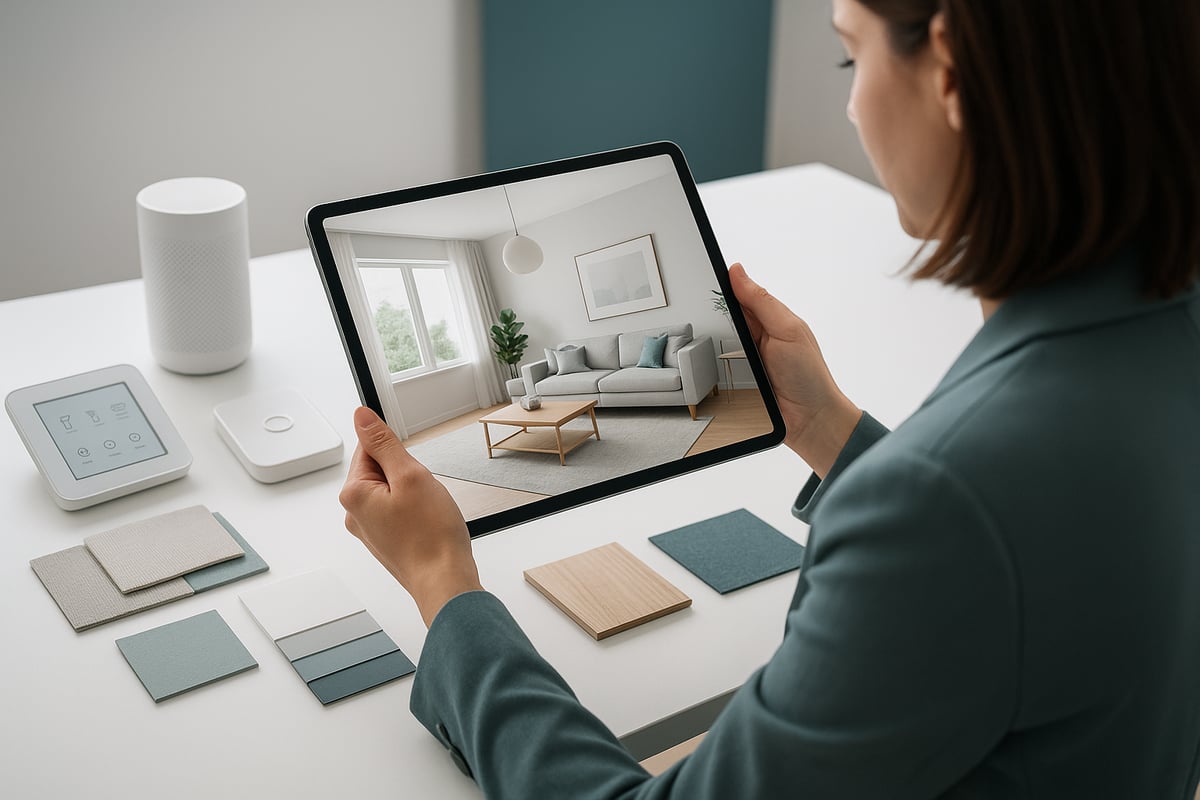
Digital Visualization and 3D Design Software
Digital visualization tools are now essential for any interior design consultation. Platforms like SketchUp, AutoCAD, and Revit allow designers to create detailed room renderings and layouts. These programs help both professionals and clients see a space’s full potential before any work begins.
One major benefit is enhanced client understanding. Using 3D walk-throughs, designers can present options and make real-time adjustments based on feedback. This reduces revisions and accelerates decision-making. For example, a kitchen remodel can be visualized with different cabinet finishes or lighting schemes instantly.
According to recent surveys, 80% of clients say they are more satisfied when they receive a 3D preview during their interior design consultation. For those interested in cutting-edge solutions, AI-Powered Interior Design Tools are revolutionizing the process, offering instant layouts and mood boards based on client preferences.
Communication and Collaboration Platforms
Effective communication is the backbone of any successful interior design consultation. Video conferencing tools such as Zoom and Microsoft Teams facilitate remote meetings, making consultations accessible wherever the client may be.
Cloud-based project management apps like Asana and Trello keep everyone on track by organizing tasks, timelines, and feedback. Real-time document sharing ensures that concept boards, floor plans, and inspiration images are always up to date.
Some designers use shared digital boards for mood and material selection, allowing clients to comment on specific ideas. This level of collaboration reduces misunderstandings and ensures the vision for the space is clear from the outset of the interior design consultation.
Measurement and Space Planning Apps
Accurate measurements are crucial to the interior design consultation process. Mobile apps such as Magicplan and RoomScan let designers quickly scan rooms and generate precise floor plans using a smartphone or tablet.
Space planning tools help optimize furniture layouts, traffic flow, and zoning within a room. For example, using Magicplan, a designer can instantly create a scaled floor plan during an on-site or virtual consultation. This not only saves time but also helps clients visualize how their ideas will fit into the available space.
By integrating these apps into the interior design consultation, professionals minimize errors and ensure that every project starts on a solid foundation.
Sustainable and Smart Home Integration Tools
Sustainability is increasingly important in interior design consultation. Specialized platforms help designers specify eco-friendly materials, energy-efficient lighting, and water-saving fixtures. Some tools offer databases of certified green products, making it easier to meet client sustainability goals.
Smart home integration is also a top trend. Designers use configuration software to plan and visualize systems for lighting, climate control, and security. For example, incorporating smart lighting controls into the design plan can enhance both comfort and energy efficiency.
These resources ensure that every interior design consultation addresses not only aesthetics but also long-term functionality and environmental impact.
Keeping Up with Technology: Training and Trends
Continuous learning is vital for anyone involved in interior design consultation. Online courses, webinars, and industry publications help designers stay current with the latest tools and best practices.
By prioritizing training and trend awareness, professionals ensure their interior design consultation services remain relevant and competitive in a rapidly changing field.
Expert Tips for Maximizing Consultation Outcomes
Unlocking the full potential of your interior design consultation requires more than just a keen eye for style. It demands expertise in communication, planning, and adaptation to current trends. Below, discover actionable strategies for both homeowners and design professionals to ensure every consultation delivers exceptional results in 2025.

Building Rapport and Trust with Clients
Establishing trust is the cornerstone of a successful interior design consultation. Begin each session by showcasing your credentials and portfolio, which helps clients feel confident in your abilities. Be transparent about your process, timelines, and expected outcomes.
Empathy and active listening are vital. When clients share their aspirations or concerns, validate their input and offer thoughtful feedback. Sharing past project successes, especially those similar to the current scope, can build credibility and set a positive tone.
Small gestures, like remembering personal details or following up after meetings, reinforce your commitment. For more insights, consider exploring interior design advice at your service for additional expert recommendations.
Asking the Right Questions: What to Cover
An impactful interior design consultation hinges on asking the right questions. Start by exploring the client’s lifestyle, everyday routines, and core needs. Go beyond basic preferences to uncover hidden priorities such as accessibility, pet-friendly materials, or storage solutions.
Sample questions for 2025 consultations might include:
- What activities do you envision in this space?
- Are there specific colors or materials you wish to feature or avoid?
- How important is sustainability or smart technology to you?
- What timeline and budget constraints should we consider?
This approach ensures the interior design consultation is tailored and thorough, reducing the risk of missing critical details.
Setting Realistic Expectations and Boundaries
Clear communication during an interior design consultation is essential for aligning expectations. Discuss timelines, deliverables, and budget upfront to prevent misunderstandings. Document every agreement and provide a written summary after each meeting.
Managing scope creep is another challenge. Define boundaries regarding revisions, additional services, and response times. Setting these parameters early fosters mutual respect and keeps the project on track.
For example, clarify the number of design revisions included in your consultation, and outline procedures for handling change requests. This transparency empowers both parties to navigate the process confidently.
Personalization and Customization in 2025
Personalization is at the heart of every outstanding interior design consultation. Leverage technology and client data to craft solutions that reflect individual tastes and stories. Digital tools make it easier to present tailored mood boards, custom layouts, and material samples.
Consider incorporating unique elements, such as custom cabinetry for kitchens or personalized lighting schemes for living areas. These details transform generic spaces into environments that truly resonate with clients.
By prioritizing customization, you demonstrate attentiveness and creativity, key qualities that set professional consultations apart in 2025.
Leveraging Trends: Sustainability, Wellness, and Smart Tech
Modern interior design consultation practices increasingly focus on sustainability, wellness, and smart technology. Clients are looking for eco-friendly materials, energy-efficient solutions, and spaces that promote well-being.
Incorporate features like air-purifying plants, ergonomic furniture, and circadian lighting into your proposals. Offer guidance on integrating smart home systems for enhanced comfort and efficiency.
Staying up to date on these trends ensures your interior design consultation delivers solutions that are both contemporary and health-conscious, meeting the evolving needs of today’s clients.
Avoiding Common Pitfalls and Mistakes
Even experienced designers can encounter setbacks during an interior design consultation. A common pitfall is overlooking client input or misreading subtle cues, which can lead to dissatisfaction and costly revisions.
Underestimating timelines or budgets is another risk. Always provide realistic estimates and update clients promptly if circumstances change. Thorough documentation of decisions, agreements, and next steps is essential for accountability.
Industry data shows that 30% of project delays stem from unclear consultations. By proactively addressing these pitfalls, you position your interior design consultation for greater success and client satisfaction.
Budgeting and Pricing Strategies for Interior Design Consultations
Budgeting for an interior design consultation in 2025 requires understanding how services are priced and what value you receive in return. With evolving client expectations and new business models, both homeowners and design professionals benefit from clear, transparent strategies when planning a successful project.
How Designers Charge for Consultations in 2025
The interior design consultation landscape features several pricing models to fit diverse projects. Most designers charge either an hourly rate, a flat fee, or a percentage of the total project cost. The choice depends on experience, project complexity, and regional factors.
| Pricing Model | Description | Example Use Case |
|---|---|---|
| Hourly Rate | Billed per hour of consultation | Small room refresh |
| Flat Fee | Fixed cost for the session | Bathroom remodel |
| Percentage of Project | Based on total project budget | Full home renovation |
For instance, a designer may use a flat fee for a bathroom interior design consultation, ensuring clients know the cost upfront. Understanding these models helps clients select the best approach for their needs.
What’s Included in a Consultation Fee?
An interior design consultation fee typically covers a site assessment, initial concept boards, and a detailed budget outline. These deliverables help clients visualize potential outcomes and make informed decisions.
However, the consultation is distinct from full-service design. While you receive expert insights and a roadmap, implementation and project management are usually separate. For example, if clients require ongoing support after the initial interior design consultation, designers may offer extended packages or additional services.
Knowing what's included prevents confusion and sets expectations, enabling smoother project execution.
Helping Clients Understand and Maximize Value
Clients often wonder about the return on investment from an interior design consultation. Education is key: a professional consultation reduces costly mistakes, clarifies vision, and can even increase property value. To get the most from your session, prepare questions, share inspiration, and communicate priorities.
Data shows that clients who invest in an interior design consultation experience 40% fewer project overruns. For more insight into why working with a professional matters, see 3 reasons to hire a home design professional.
Preparation and transparency ensure the consultation delivers maximum impact.
Negotiation and Flexibility in Pricing
Flexibility in interior design consultation pricing helps designers address unique client needs. Some offer discounts for bundled virtual and in-person sessions, or adjust fees for repeat clients. Open discussions about budget concerns foster trust and lead to creative solutions.
For example, a designer may bundle remote and on-site consultations for clients renovating from afar. Clear communication about pricing structures, deliverables, and potential add-ons is essential for a positive experience.
Clients who understand the value and scope of an interior design consultation are more likely to achieve their dream spaces within budget.
Future Trends and Innovations in Interior Design Consultations
The landscape of interior design consultation is evolving rapidly, with new technologies and client expectations shaping how designers and homeowners collaborate. As we look toward 2025, several key innovations are set to define the consultation experience, from artificial intelligence to immersive virtual tools and a renewed focus on sustainability. Understanding these trends will help you stay ahead in delivering exceptional, future-ready interior design consultation services.
AI and Automation in Design Consultations
Artificial intelligence is revolutionizing the interior design consultation process. Designers now use AI-powered platforms to analyze client preferences, generate instant mood boards, and recommend optimal layouts based on space and function. These tools accelerate decision-making, allowing for greater personalization and reducing the time spent on revisions.
For example, AI can interpret a client's Pinterest board and produce a tailored color palette or furniture selection within minutes. This not only streamlines the workflow but also enhances client satisfaction. As AI continues to advance, expect interior design consultation to become more data-driven, creative, and client-centric.
Virtual Reality (VR) and Augmented Reality (AR) Experiences
Virtual and augmented reality are transforming how clients experience design concepts during an interior design consultation. With VR headsets or AR apps, clients can walk through proposed spaces, view material changes in real time, and make informed decisions before any physical work begins. According to industry projections, half of leading firms plan to adopt VR solutions for consultations by 2025.
A popular tool in this space is Magicplan App Overview, which enables designers and clients to create and interact with digital floor plans using AR technology. These immersive experiences reduce misunderstandings, foster collaboration, and ultimately lead to more successful project outcomes.
Sustainability and Wellness as Core Consultation Themes
Sustainability and wellness are no longer optional—they are at the heart of modern interior design consultation. Clients increasingly seek eco-friendly materials, energy-efficient solutions, and spaces that promote physical and mental health. Consultations now routinely include discussions on air quality, natural light, and biophilic design elements.
Designers stay ahead by referencing the latest 2025 Home Décor Trends, which highlight the importance of personalization, comfort, and emotional connection. Offering wellness assessments and green material options during interior design consultation not only meets client demand but also future-proofs your services.
The Evolving Role of the Designer-Client Relationship
The interior design consultation dynamic is shifting toward a more collaborative and transparent partnership. Clients are now active participants, using digital tools to visualize options and provide real-time feedback. Live design sessions, shared mood boards, and instant messaging platforms make the process interactive and efficient.
This co-creative approach empowers clients, builds trust, and ensures the final design truly reflects their needs and personality. By embracing this evolution, designers can enhance client loyalty and deliver more satisfying outcomes in every interior design consultation.
Preparing for the Next Decade: Skills and Mindset
To thrive as an interior design consultation expert in the coming years, continuous learning and adaptability are essential. Staying current with emerging technologies, sustainable practices, and client engagement strategies will set you apart.
Invest in regular training, attend industry conferences, and keep an open mind to new tools and processes. By cultivating a future-focused mindset, you position yourself as a leader in delivering innovative and impactful interior design consultation experiences.
As you think about transforming your home in 2025, remember that a thoughtful interior design consultation can make all the difference. By combining expert insights, the latest digital tools, and a client-centered approach, you set the stage for spaces that truly reflect your lifestyle and vision. If you’re ready to experience a seamless, collaborative process—one that brings your ideas to life with meticulous care and expert guidance—why not take the first step with a team you can trust? Great Design Starts with Emily’s