

Bold showroom design ideas have the power to transform how customers view your brand and drive measurable sales growth. In 2025, the right approach to showroom design ideas can make your space unforgettable, setting you apart from competitors.
With immersive technology, sustainable materials, and customer-centric layouts shaping retail, it’s clear that innovative design is more crucial than ever. Industry leaders report a growing demand for spaces that engage all the senses and reflect evolving values.
This guide reveals seven showroom design ideas that blend digital integration, eco-conscious choices, flexible layouts, and biophilic elements. Discover actionable strategies to elevate your showroom and inspire your next transformation.
The Evolving Role of Showrooms in 2025
Showrooms are experiencing a dramatic evolution as we approach 2025. No longer just a place to display products, they have become immersive environments that shape how customers perceive brands and make purchasing decisions. The right showroom design ideas can transform a space from ordinary to extraordinary, creating an experience that cannot be replicated online.
The Shift from Transactional to Experiential Spaces
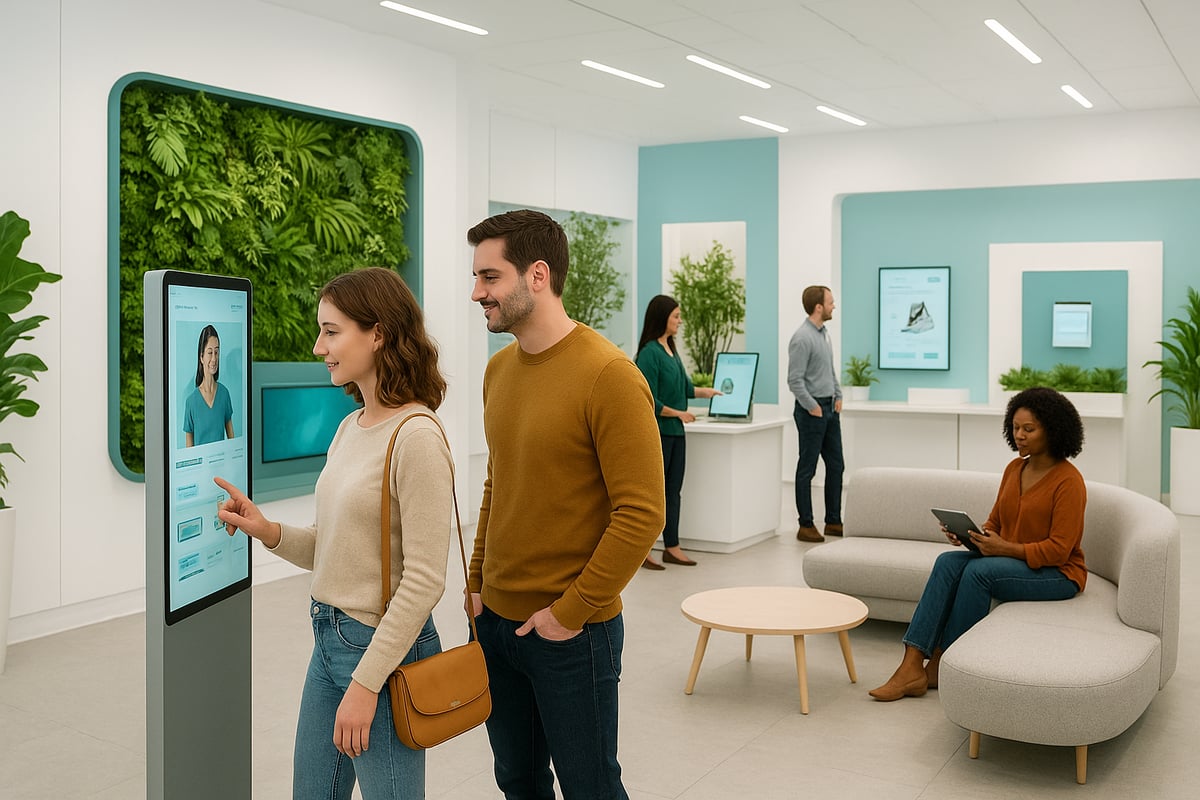
Traditional showrooms once focused simply on displaying inventory. Today, showroom design ideas prioritize creating memorable experiences that immerse customers in the brand story. Modern showrooms function as dynamic customer-acquisition hubs, offering touchpoints that invite exploration and engagement.
Interactive displays and knowledgeable staff play a pivotal role in this shift. Customers can experiment with products, ask questions, and receive expert guidance, helping them feel confident in their choices. These enhancements not only foster trust but also contribute to reduced product returns.
Crucially, physical showrooms now differentiate themselves from online competitors by offering tactile, multisensory experiences. When customers can see, touch, and interact with products in person, they form stronger emotional connections. This experiential approach is at the heart of successful showroom design ideas today.
Key Trends Shaping Showroom Design
Several major trends are reshaping showroom design ideas for 2025. Immersive technology, such as AR and VR, is increasingly common, allowing customers to visualize products in different contexts. According to industry data, the adoption of AR/VR in retail environments continues to climb, with retailers reporting higher engagement and satisfaction rates.
Sustainability is another driving force. Consumers are actively seeking eco-friendly materials and energy-efficient solutions in the spaces they visit. Personalization and flexibility also stand out, as customers expect tailored experiences and adaptable layouts.
To stay ahead, businesses must align their showroom design ideas with evolving consumer expectations. For a deeper dive into how digital integration is transforming the industry, explore Immersive Digital Experiences in Showrooms, which highlights the impact of AR and VR on customer engagement.
The Impact of Design on Customer Journey and Sales
Thoughtful showroom design ideas do more than attract visitors—they influence every stage of the customer journey. Strategic design elements, such as biophilic additions like living walls and natural lighting, have been shown to enhance well-being and encourage longer visits.
Modular layouts allow showrooms to adapt quickly to new products or seasonal changes, keeping the experience fresh and relevant. Data-driven personalization, powered by customer insights, is emerging as a key competitive advantage. When customers encounter displays that reflect their preferences, engagement and conversion rates rise.
By prioritizing these design principles, retailers can create a seamless journey that guides customers from discovery to purchase, ultimately boosting satisfaction and sales.
Setting Objectives for Your Showroom Redesign
Before implementing new showroom design ideas, it is essential to define clear objectives. Are you aiming to increase sales, improve brand perception, or enhance the customer experience? Setting measurable goals will guide every design decision.
Consistent branding and a functional layout are fundamental to effective showroom design. Assess your current space with a practical checklist:
| Objective | Current Performance | Improvement Needed? |
|---|---|---|
| Sales Conversion | ||
| Customer Dwell Time | ||
| Brand Consistency | ||
| Layout Functionality |
Regularly reviewing these criteria ensures your showroom remains aligned with business priorities and customer needs. By approaching redesign with intention, you set the stage for ongoing success.
7 Inspiring Showroom Design Ideas to Elevate Your Space in 2025
Reimagining your retail environment with innovative showroom design ideas is essential for standing out in 2025. The right approach not only attracts foot traffic but also deepens customer engagement and drives sales. The following seven strategies showcase the latest trends and actionable tips to transform any display space into a memorable, results-driven experience.
1. Immersive Digital Experiences
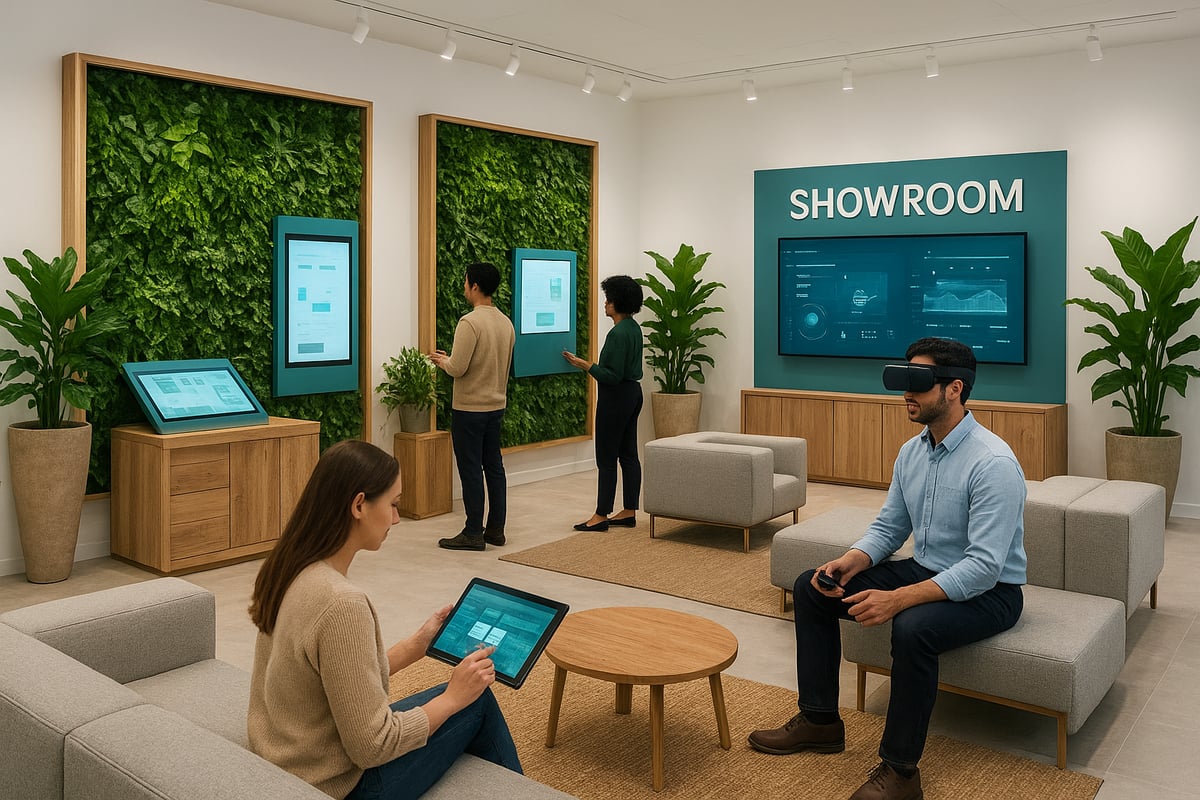
The integration of immersive technology is revolutionizing showroom design ideas by merging the digital and physical worlds. AR and VR experiences now allow customers to visualize products in their own spaces, creating a highly interactive environment.
- AR mirrors let visitors try products virtually, from apparel to accessories.
- VR booths provide immersive product tours or configuration experiences.
- Mobile apps offer real-time navigation, personalized recommendations, and exclusive deals, ensuring every visit feels unique.
Consider the impact on furniture showrooms, where AR enables shoppers to place virtual sofas or tables in their homes using their smartphones. This not only enhances engagement but also empowers customers to make confident purchasing decisions.
Recent data shows a surge in AR/VR adoption in offline retail, reflecting the growing expectation for interactive and informative showroom design ideas. By embracing these digital tools, businesses differentiate themselves from online competitors and create a compelling reason for in-person visits.
2. Sustainable Materials and Eco-Friendly Design
Sustainability has become a cornerstone of showroom design ideas, as consumers increasingly prioritize eco-friendly practices. Showrooms are now adopting materials and systems that minimize their environmental footprint.
- Reclaimed wood, recycled metals, bamboo, and natural fibers are used for displays and furniture.
- Low-energy lighting and smart climate controls reduce operational impact.
- Reusable display units and in-showroom recycling stations support ongoing waste reduction.
Many leading spaces dedicate zones to highlight their sustainable features, educating customers and reinforcing brand values. According to Sustainable Materials in Showroom Design, the use of green materials and energy-efficient systems is not just a trend but a competitive necessity in modern showroom design ideas.
By embracing these practices, retailers appeal to environmentally conscious shoppers and set a standard for responsible business. The result is a showroom that not only looks great but also aligns with broader sustainability goals.
3. Biophilic Design for Wellness and Engagement
Incorporating biophilic elements has become a standout trend in showroom design ideas, promoting customer well-being and deeper engagement. Natural features create a calming, inviting atmosphere that encourages exploration.
- Indoor plants and living walls introduce vibrant greenery and improve air quality.
- Water features add soothing sounds and visual interest.
- Organic shapes and natural materials in furniture enhance the sense of comfort and connection to nature.
Showrooms with moss ceilings and soft-curved furnishings exemplify how biophilic design can set a brand apart. Maximizing daylight and natural ventilation further boosts mood and productivity, making the space more attractive to visitors.
Research confirms that biophilic showroom design ideas increase dwell time and customer satisfaction. By prioritizing wellness, retailers foster a positive environment that encourages repeat visits and word-of-mouth recommendations.
4. Personalized Customer Journeys
Modern consumers expect showroom design ideas that cater to their individual preferences. Personalization transforms the shopping experience, making each visit feel relevant and memorable.
- Smart displays and touchscreens provide tailored product recommendations based on customer data.
- Dedicated zones cater to specific interests or demographics.
- In-store events and consultations offer customized advice and exclusive experiences.
Fashion showrooms, for example, use tablets to give personalized styling tips, increasing both loyalty and conversion rates. Data-driven personalization is rapidly becoming an industry standard, with visitors expecting showroom design ideas that reflect their unique needs.
By leveraging technology and thoughtful layout, retailers can craft seamless, engaging journeys that drive sales and build lasting relationships.
5. Modular and Flexible Display Structures
Adaptability is at the heart of successful showroom design ideas in 2025. Modular and flexible displays allow retailers to quickly update layouts for new collections, promotions, or evolving customer flows.
- Movable partitions and reconfigurable shelving enable rapid reorganization.
- Adjustable lighting supports dynamic merchandising and highlights seasonal features.
- Multi-functional furniture maximizes space efficiency, especially in smaller showrooms.
Tech and furniture showrooms often use modular units to keep their spaces fresh and engaging. This flexibility ensures the environment always feels current, supporting both accessibility and creative merchandising.
Such showroom design ideas empower retailers to respond swiftly to market trends and customer feedback, ensuring the space remains relevant and compelling.
6. Strategic Lighting and Visual Merchandising
Lighting plays a critical role in effective showroom design ideas, influencing both mood and purchasing behavior. Well-planned lighting can transform a space, highlight key products, and guide customer movement.
- Accent and track lighting draw attention to featured items and create inviting zones.
- Layered lighting combines ambient, task, and accent sources for depth and drama.
- Creative merchandising uses drawer units, display libraries, and functional dividers to maximize visual interest.
Small showrooms, in particular, benefit from strategic lighting that enhances product visibility and sets the right atmosphere. Proper lighting is a proven driver of sales and a vital component of successful showroom design ideas.
Pairing lighting with innovative displays ensures customers have a memorable, enjoyable shopping experience that encourages repeat visits.
7. Storytelling through Thematic and Branded Spaces
The final piece of cutting-edge showroom design ideas is crafting immersive zones that tell a brand story. Thematic spaces engage visitors on an emotional level, making the showroom experience unforgettable.
- Consistent branding and cohesive themes unify different product lines or services.
- Multimedia elements, signage, and curated displays reinforce messaging and guide the customer journey.
- Themed vignettes showcase products in context, appealing to specific audiences or lifestyles.
Showrooms that excel in storytelling create strong emotional connections, fostering loyalty and positive brand associations. Thematic showroom design ideas not only differentiate the space from competitors but also turn visits into memorable events.
By integrating these seven showroom design ideas, retailers can elevate their spaces, delight customers, and achieve measurable business results in 2025.
Best Practices for Implementing Showroom Design Ideas
Implementing showroom design ideas effectively requires careful planning, ongoing measurement, and a willingness to adapt. By focusing on strategy, optimization, and continuous improvement, your space can stay ahead in a competitive market.
Planning and Execution Strategies
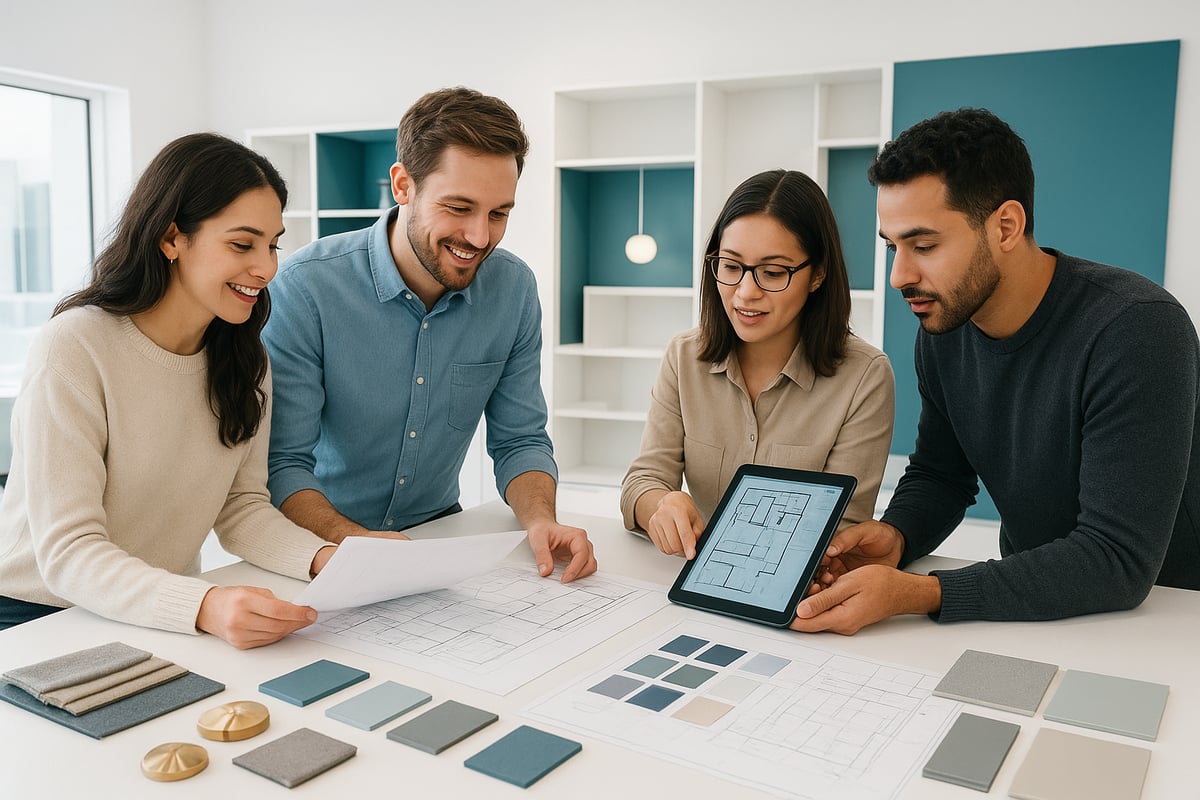
Begin with a thorough needs assessment to align showroom design ideas with your business objectives. Identify your target audience, core products, and unique selling points. Collaborate with experienced interior designers and technology experts to ensure a cohesive vision.
Set a realistic budget that covers technology, sustainable materials, and installation. Develop a timeline that allows for phased implementation to minimize disruption. Regular team meetings help keep everyone aligned and address challenges early.
A strategic approach ensures showroom design ideas are practical, brand-aligned, and positioned for long-term success.
Measuring Success and Optimizing the Experience
To optimize showroom design ideas, track key performance indicators such as foot traffic, dwell time, and sales conversion rates. Use customer feedback and surveys to identify strengths and areas for improvement.
Leverage data analytics to refine personalized experiences, layout changes, and merchandising strategies. Regularly update both displays and technology to maintain a fresh, engaging environment.
Continuous measurement and adaptation help your showroom design ideas deliver measurable results and maintain competitive advantage.
Addressing Common Challenges
Every showroom faces obstacles, from limited space to evolving customer expectations. Modular and multi-functional displays can maximize flexibility and accessibility, making showroom design ideas practical in any footprint.
Balance technology integration with user-friendliness for all demographics. Ensure sustainability goals are met by choosing eco-friendly materials without sacrificing aesthetics or function.
Proactive problem-solving ensures showroom design ideas remain effective, inclusive, and adaptable as needs change.
Staying Ahead of Trends
Staying current with showroom design ideas means keeping a close eye on emerging trends and customer preferences. Attend industry trade shows, connect with design professionals, and invest in staff training for ongoing innovation.
Regularly refresh layouts and incorporate new elements, drawing inspiration from kitchen showroom design trends to keep your space inviting. Encourage feedback from your team and customers to spot new opportunities.
A forward-thinking approach ensures your showroom design ideas remain relevant and impactful for years to come.
Case Studies: Showroom Design Transformations
Real-world examples bring showroom design ideas to life, illuminating how innovative concepts deliver measurable results. By analyzing successful transformations, retailers can draw inspiration and actionable insights for their own showroom redesign journeys.
Furniture Showroom: Boosting Sales with AR Integration
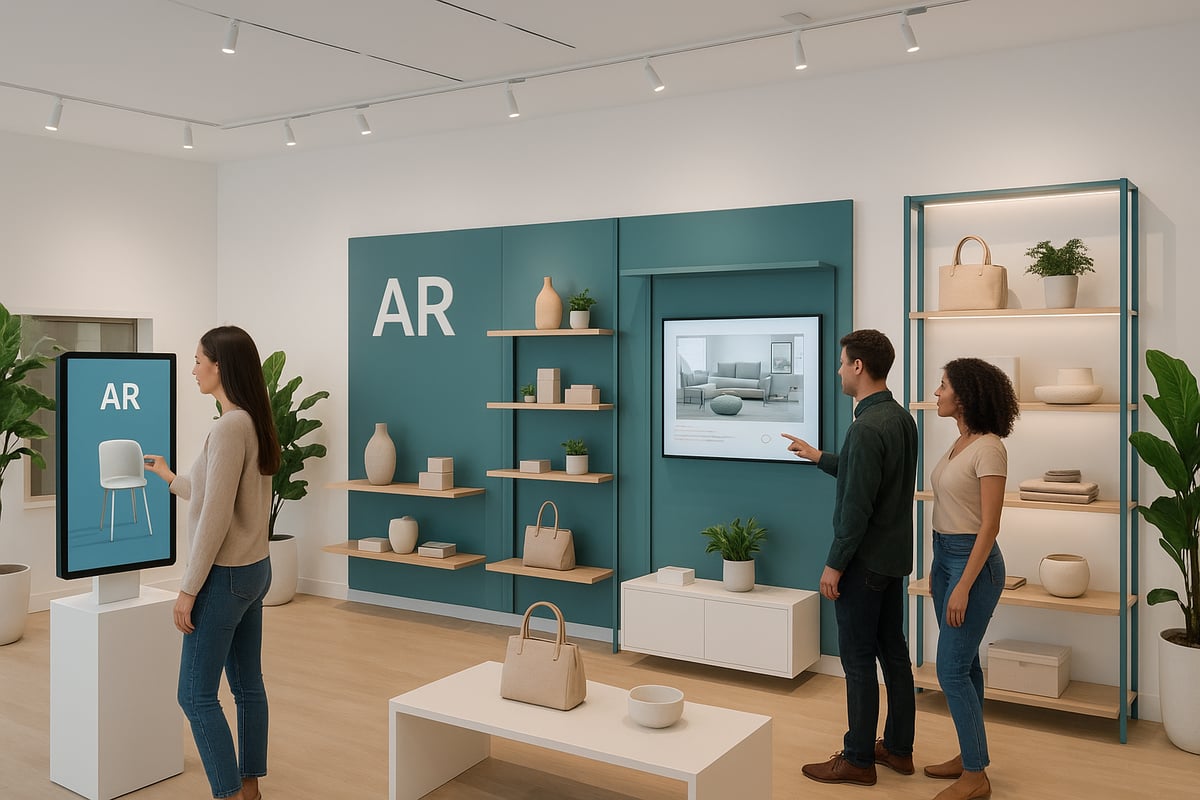
A leading furniture retailer recently reimagined its space using advanced showroom design ideas. By integrating AR technology, they enabled customers to visualize sofas, tables, and decor in their own homes using interactive tablets and in-store kiosks.
Staff received dedicated training to guide visitors through the experience, increasing customer confidence and reducing purchase hesitation. As a result, the showroom saw a 30% jump in sales within six months. This case highlights how digital immersion can transform the customer journey, setting a new standard for showroom design ideas in the furniture industry.
Tile Retailer: Enhancing Dwell Time with Lighting and Flexibility
A prominent tile retailer adopted showroom design ideas centered on strategic lighting and adaptable layouts. They used layered accent lighting to highlight product textures and colors, while flexible display units allowed for quick reconfiguration as trends changed.
Customer feedback revealed that the inviting atmosphere encouraged visitors to explore longer and compare options more thoroughly. For expert guidance on lighting, see these tips from our designers. This approach demonstrates how thoughtful lighting and layout can significantly impact engagement and sales in any retail environment.
Tech Showroom: Personalization Drives Engagement
A technology-focused showroom embraced modular layouts and data-driven personalization as part of its showroom design ideas. Movable partitions, smart shelving, and interactive screens created a dynamic environment that could be easily refreshed for new product launches.
Personalized recommendations, delivered via in-store touchpoints, empowered customers to find solutions tailored to their needs. For inspiration on adaptable layouts, review these modular and flexible showroom layouts. This agile approach kept the experience fresh and responsive, resulting in increased engagement and repeat visits.
Lessons Learned and Actionable Takeaways
These case studies reveal several key lessons for businesses seeking to implement showroom design ideas. First, adaptability is crucial. Modular displays, digital tools, and flexible lighting help keep spaces relevant.
Second, customer feedback should inform every redesign decision. Finally, ongoing investment in technology and staff training drives continuous improvement. By following these takeaways, any retailer can future-proof their showroom and deliver exceptional experiences.
Future-Proofing Your Showroom: Trends to Watch Beyond 2025
Staying ahead in retail means consistently evolving your showroom design ideas to meet tomorrow’s expectations. As we move beyond 2025, innovation will accelerate, and only adaptable spaces will thrive. Businesses that anticipate future trends will be best positioned to capture customer interest and drive lasting loyalty.
Emerging technologies are already reshaping how we think about showroom design ideas. Artificial intelligence is set to revolutionize personalization, delivering tailored experiences using real-time customer data. Imagine AI-driven recommendations guiding visitors to their ideal products, or virtual assistants offering instant support. Immersive 3D environments, including holographic displays and fully interactive virtual spaces, will further blur the lines between physical and digital retail.
Sustainability remains a top priority, with advanced materials such as biodegradable composites and energy-efficient finishes gaining popularity. The integration of biophilic design will continue to grow, as seen in Biophilic Design Trends in 2025, bringing nature-inspired elements and wellness-focused features into modern showrooms. These sustainable showroom design ideas not only appeal to eco-conscious consumers but also foster healthier, more engaging environments.
Data analytics will become indispensable for optimizing layout, product placement, and customer flow. By analyzing dwell time, movement patterns, and sales conversion rates, retailers can refine their approach and maximize results. The rise of smart home and IoT devices in product displays will also create new opportunities for interactive demonstrations and seamless integration with customers’ lifestyles.
Here’s a quick comparison of key future trends:
| Innovation Area | Impact on Showroom Design Ideas |
|---|---|
| AI Personalization | Hyper-targeted experiences, increased loyalty |
| Immersive 3D Environments | Engaging, memorable brand interactions |
| Sustainable Materials | Stronger brand values, healthier spaces |
| Data Analytics | Continual optimization, higher sales |
| Smart Home/IoT | Real-time interactivity, tech-forward appeal |
To keep showroom design ideas relevant, businesses must remain agile and responsive to changing consumer behaviors. Ongoing investment in design, technology, and staff training will help maintain a competitive edge. Future-proofing is not a one-time project but a continuous commitment to innovation and customer satisfaction.
As you explore these innovative showroom design ideas, think about how the right combination of technology, sustainability, and personalized experiences can truly elevate your space. Whether you're envisioning immersive digital displays, eco-friendly materials, or flexible layouts, having an experienced partner makes all the difference. At Emily's Interiors, we bring your vision to life using advanced 3D design software and a commitment to exceptional service. Ready to create a showroom that stands out in 2025 and beyond
Great Design Starts with Emily’s